Orc Name Generator
This orc name generator builds names for war-clans, raiders, and lone exiles across three registers: savage/tribal, classic fantasy, and grimdark. Pick a flavor, set a gender, and choose whether your orc has earned a warlord, shaman, or brutal epithet. Add a clan name if the warband matters. Hit Generate and take what fits your campaign.
👇 Click any name to copy it
An orc's name rarely comes from a naming ceremony. It's earned in a raid, given by a warlord, or shouted at a stranger before a fight. That's the logic behind every filter here — the flavor sets the register, the tone adds what the orc did to deserve an epithet, and the clan toggle answers who they fight for.
Building an NPC warband for a one-shot, a recurring antagonist for a novel, or a character for a video game's creator screen all land on the same problem: a whole clan of names has to sound like it came from one war camp, not five different books. That's what the flavor and tone filters here are built to solve.
How to Use Orc Name Generator
- Pick a flavor — Savage/Tribal for raw and primal, Classic Fantasy for the recognisable war-clan sound, Grimdark for bleak and war-torn.
- Set a gender — or leave it on Any for a mixed batch.
- Choose a tone — add a Brutal, Shaman, or Warlord epithet if the character has earned one, or leave it off for a plain name.
- Toggle the clan name — on for a warband member, off for a lone raider or exile.
- Generate and pick — regenerate as many times as you need; nothing here is rationed.
Example Orc Name Ideas
- Savage/Tribal Male: Grukka, Uzgor, Thrakk, Karnuk, Snagrat
- Savage/Tribal Female: Grasha, Thrakka, Bolgra, Karnisha, Dranza
- Classic Fantasy Male: Gorbak, Kharzul, Throgar, Balrok, Drakthor
- Classic Fantasy Female: Gorbeth, Kharzula, Throgra, Balroka, Drakthora
- Grimdark: Krugmar, Vorgash, Ashkrul, Morgrath, Skulzag
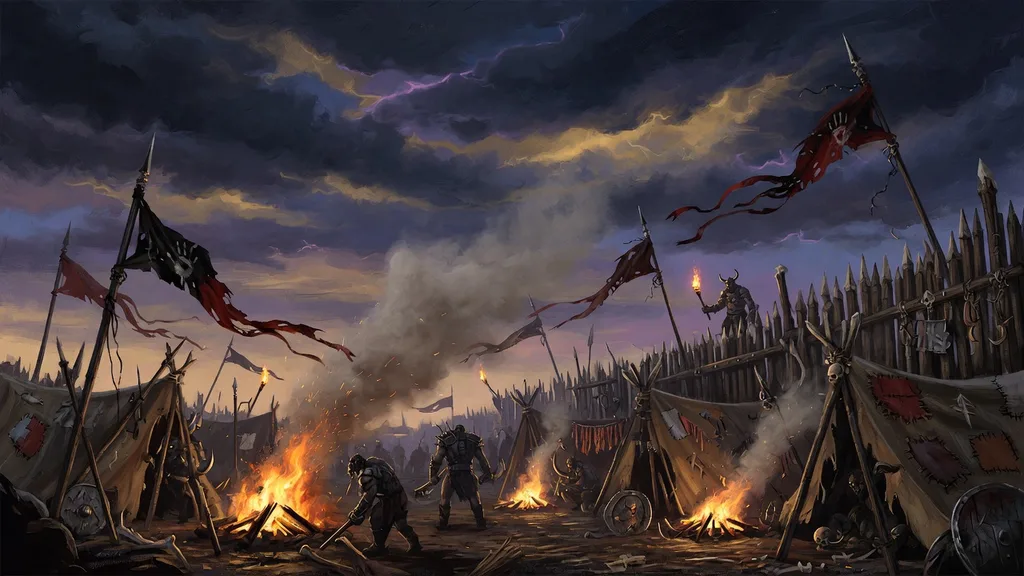
How Flavor Shapes an Orc Name
Orc names in most fantasy fiction and games share a phonetic backbone: hard stops, clustered consonants, short punchy syllables. Where the registers diverge is in polish. Savage/Tribal names lean unrefined — they read like they were shouted first and spelled later. Classic Fantasy rounds the edges slightly, producing names easier to rally a warband behind without losing the threat.
Grimdark strips out anything that sounds like hope. Heavier clusters, bleaker vowel sounds, endings that land like a door slamming shut. It's the register for a setting where the orc clans are losing — or have already lost — and the names carry that weight without a word of exposition.
| Flavor | Feel | Example |
|---|---|---|
| Savage / Tribal | Primal, unpolished, earned on open ground | Grukka, Uzgor, Snagrat |
| Classic Fantasy | War-clan register, rounder, rally-able | Gorbak, Kharzul, Throgar |
| Grimdark | Bleak, heavier clusters, war-torn | Krugmar, Vorgash, Ashkrul |
Tone: Earning an Epithet
A tone epithet isn't decorative — it marks a reputation. Brutal epithets like Skullsplitter or the Merciless mark an orc known for how a fight ends. Shaman epithets like the Bonecaster or Spirit-Walker mark an orc who reads omens and speaks for the ancestors. Warlord epithets like Ironfist or the Conqueror mark an orc who leads, not just fights.
Not every orc needs one. A young raider or a rank-and-file warband member usually goes by the base name alone — the epithet arrives later, once there's a story behind it. Leave the tone filter on Any if the character hasn't earned one yet.
Clans and Warbands
Orc social structure in most settings runs on clan or warband loyalty rather than family surnames. A clan tag — "of the Broken Tusk," "of the Iron Maw" — tells other characters at a glance who this orc answers to and who might come looking for them. It's a fast way to imply politics without writing a paragraph of backstory.
Exiles, deserters, and lone raiders often go without one — sometimes because they were cast out, sometimes because they never belonged to a clan at all. That absence can be its own hook: a DM or a writer can build a whole scene around why an orc doesn't answer the question "of the what?"
Orc Archetypes and Example Names
Most orc rosters split naturally into a handful of roles, and each role tends to pull toward a different corner of the phonetic range above. Pairing an archetype with the right flavor and tone keeps a whole cast from sounding interchangeable.
- The Warlord — leads a warband, usually with a Warlord-tone epithet and a clan tag attached. Classic Fantasy flavor suits this role best; the name needs to be shouted by an army, not muttered. Examples: Throgar Ironfist, Kharzul the Conqueror, Balrok Warlord.
- The Shaman — reads omens, speaks for the dead, rarely fights first-hand. Works well in any flavor, but the Shaman epithet is what signals the role on its own. Examples: Grasha the Bonecaster, Vuraga Spirit-Walker, Morgratha the Ash-Speaker.
- The Raider — rank-and-file muscle, usually unnamed by epithet, fits Savage/Tribal best. This is where most of a warband's names should sit — plain, hard, no ceremony. Examples: Grukka, Uzgor, Bolgash, Karnuk.
- The Broken One — an exile, deserter, or survivor of a lost war, suited to Grimdark with no clan tag. The missing "of the" is the point. Examples: Krugmar, Vorgash, Ashkrul, Morgrath.
Tips for Choosing an Orc Name
- Match the flavor to the setting's tone — a Grimdark name in a lighthearted campaign reads as a joke nobody meant to tell. A Savage/Tribal name in a bleak war story can feel undercooked. Read the room first.
- Save epithets for names that need one — a whole warband of Skullsplitters and Ironfists loses the effect. Give the epithet to the one orc who earned it and let the rest go by their base name.
- Say it out loud before you commit — orc names are meant to be shouted, not read silently. If it doesn't survive being said with volume, it's probably too soft for the register.
- Use the clan tag to imply politics — two named clans in the same scene, even without explanation, signals rivalry or alliance the audience will fill in on their own.
- Keep a warband's names in one flavor — mixing Savage/Tribal and Classic Fantasy names in the same clan reads as inconsistent world-building unless that mix is the point of the story.
Example Orc Names
Male Orc Names
- Grukka
- Uzgor
- Thrakk
- Bolgash
- Karnuk
- Mogruk
- Barzuk
- Gorbak
- Kharzul
- Throgar
- Vurag
- Balrok
- Drakthor
- Krugmar
- Vorgash
- Ashkrul
- Morgrath
- Skulzag
- Ravnok
- Karnvash
Female Orc Names
- Grasha
- Uzka
- Thrakka
- Bolgra
- Karnisha
- Mogra
- Barzha
- Gorbeth
- Kharzula
- Throgra
- Vuraga
- Balroka
- Drakthora
- Krugmara
- Vorgasha
- Ashkrula
- Morgratha
- Skulzaga
- Ravnoka
- Karnvasha
About Orcs in Fantasy and Games
Orcs are a load-bearing part of fantasy world-building — the tribal, martial culture that presses against whatever kingdom the story cares about. Across tabletop games, novels, and video games, orcs are usually written as strength-first societies where status comes from combat record, not birthright. That shapes the naming culture as much as the phonetics.
Savage / Tribal Orcs. The rawest version — clans that hold open ground, raid rather than build, and name their young after the first thing they survive. Names in this register skip refinement entirely.
Classic Fantasy Orcs. The war-clan version most players recognise — organised under a warlord, structured enough to field an army, still built on strength over ceremony. This is the middle register: threatening, but rally-able.
Grimdark Orcs. The bleakest version — clans fighting a losing war, or already broken by one. Names here carry weight without needing a backstory attached; the sound alone tells you how this story probably ends.
A good generator earns its keep by keeping a whole clan's names internally consistent — same phonetic family, same register, same rules — so a table full of NPCs sounds like they came from the same war camp instead of five different novels.
FAQ for Orc Name Generator
What makes a good orc name?
Hard, blunt sounds that land like a blow — heavy consonant clusters (Kr, Gr, Thr, Vz), short syllables, and few soft vowels. A good orc name should be easy to shout across a battlefield and hard to say gently. If it trips off the tongue like a lullaby, it's probably not an orc name.
Where can I use the orc name generator?
It works for tabletop campaigns, homebrew settings, fantasy novels, video-game character creators, and any world that needs a war-clan or tribal antagonist. Pick the flavor that matches your setting's tone and the name reads right whether it's spoken at the table or printed on a page.
What's the difference between the three flavors?
Savage/Tribal leans primal and unpolished — names earned on open ground. Classic Fantasy is the recognisable war-clan register, rounder and easier to rally behind. Grimdark strips out anything that sounds hopeful, favouring heavier clusters and bleaker endings. All three stay guttural; the difference is how refined that guttural sound is.
What makes orc names sound right across games and fiction?
Across most fantasy fiction and games, orc names share a phonetic backbone: hard stops (K, G, T), rolled or clustered consonants (Gr, Thr, Kr), and short, punchy syllables that avoid the soft vowels common in elvish or human naming. That backbone is what makes orc names instantly recognisable even before any lore is attached — the sound itself signals strength and threat.
Should I add a clan or warband name?
If your orc answers to a warband or reports to a warlord, yes — a clan tag like "of the Broken Tusk" gives other characters something to reference and gives your orc a faction to belong to. A lone raider or exile usually works better with just the base name; the missing clan tag can even be a story hook.
Can I use these names for Warcraft, D&D, or other orc settings?
These names are original and not drawn from any specific franchise, so they're safe to use as homebrew characters, NPCs, or fan content across World of Warcraft, D&D, Warhammer, or any other orc-inclusive setting. If a franchise has its own canon naming conventions, treat this generator as a starting point and adjust spelling to match the house style.
Do orc names change based on gender?
The male and female pools here share the same harsh phonetic core, since orc culture in most fiction doesn't soften naming by gender. The difference is subtler — female names often close on a trailing vowel (-a, -sha, -ka) where male names cut off on a hard consonant. It's a pattern, not a rule.
Looking for something adjacent? Try the half-orc name generator, hobgoblin name generator, goblin name generator, barbarian name generator, or the World of Warcraft name generator.