Barbarian Name Generator

This barbarian name generator builds brutal, culture-specific names for D&D 5e, BG3, and any fantasy setting where rage is the point. Pick a culture — Northern/Norse, Tribal/Plains, Savage/Wild, or Mountain — and the generator shapes the phonetics to match. Add the "Name + earned epithet" form and each result arrives with a battle-deed attached: not a fancy title, but the grim sentence people started using after they watched you fight.
👇 Click any name to copy it
Barbarian names do not aim for elegance. They land hard — short syllables with blunt consonants, the kind of sound that fits in a war cry more than a throne room. That phonetic weight is intentional. A name like Gruldun or Hravnar carries roughness by design: the sound is the signal.
The earned epithet half doubles down on that. Skullcleaver. The Unbroken. Who Runs with Wolves. These are not self-given boasts — they are what the clan started calling you, and the story behind each one is worth more than any class ability.
Barbarian Naming Conventions — What Makes the Sound
Across fantasy traditions, barbarian names share a phonetic logic. Hard stops — K, G, D, T — dominate. Consonant clusters clump together without apology: Gruldun, Skolvir, Thrazz. Vowels are short and flat rather than open and musical. The result sounds confrontational at rest, which is the point.
Compare this to, say, an elf name (long vowels, liquid consonants, a melodic rise) or a wizard's name (Latin-adjacent, measured). A barbarian name announces a different kind of power: unadorned, immediate, and loud enough to hear over a battlefield.
This generator applies those phonetic rules by culture rather than as a single monolithic pool. Northern/Norse names use consonant clusters from Old Norse (Hravnar, Grimolt, Skoldis). Tribal/Plains names give those same hard stops a more open vowel structure — Korrash, Varasha — which fits cultures defined by wide-open terrain. Savage/Wild names go furthest into the guttural register (Grukk, Thrazz, Skraal). Mountain names carry a stone-weight: Boulgar, Stonrek, Cragmur.
Cultures and How Names Differ
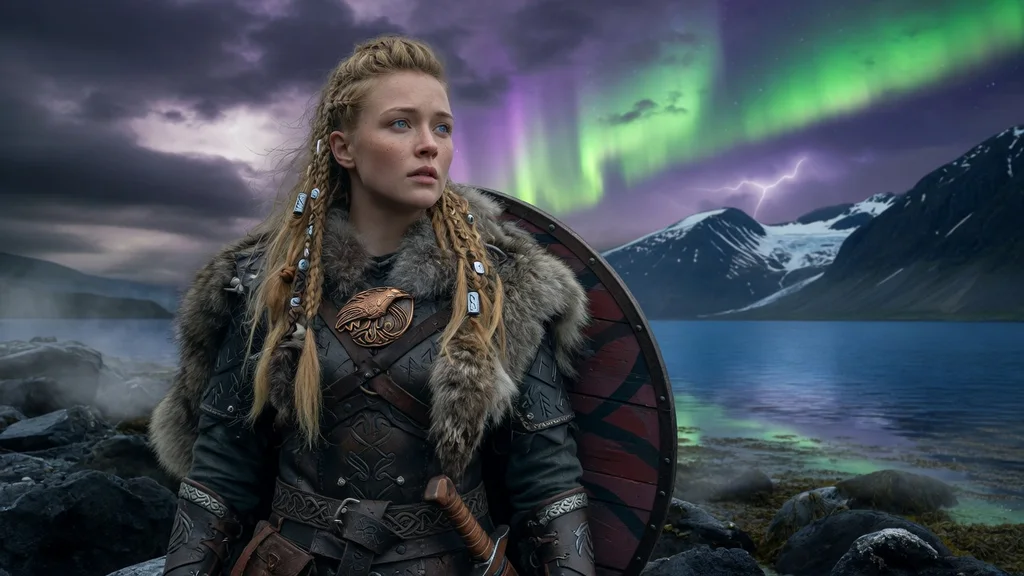
A Northern/Norse barbarian grew up on longship raids and winter moots. Names have Norse structure — often two bound elements, like Torvik (Tor + vik, fire + inlet) or Halvrek. Female names end in -dis, -hild, or -vid, echoing shieldmaiden tradition. The epithets lean toward feats of endurance: surviving the Long Winter, standing alone at a pass, crossing an ice sea on foot.
A Tribal/Plains barbarian comes from a culture measured in hunts and cattle raids. Names are single-root but still percussive — Korrash, Gorrak, Dalsha. Epithets describe relationships to the land and the pack: "Who Runs with Wolves," "of the Red Dust," "the Wind-Chaser." The phrasing is more descriptive than the stark two-word Northern style.
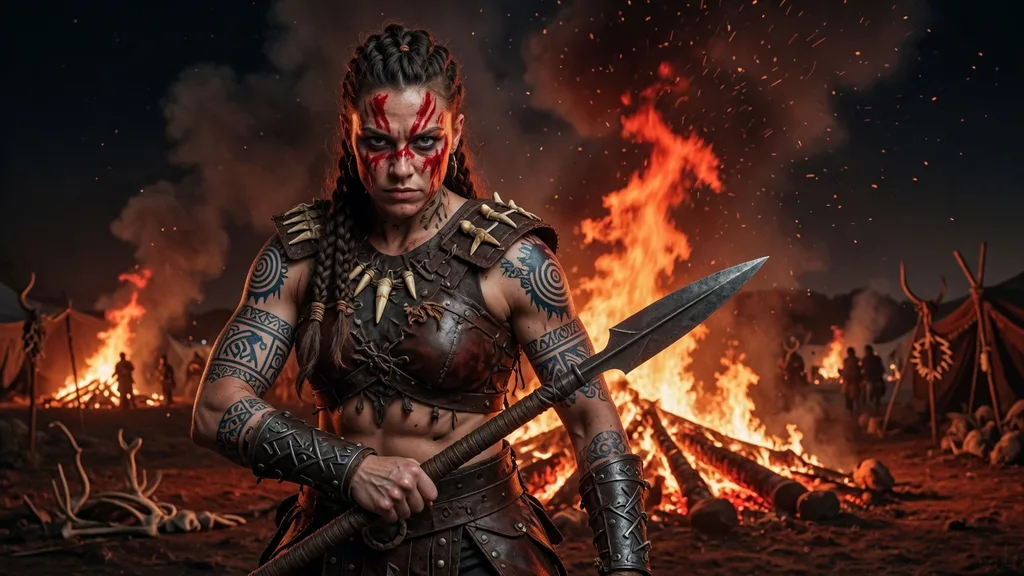
A Savage/Wild barbarian has a name that sounds like it resisted domestication. Short, brutal syllables with doubled consonants: Grukk, Skraal, Thrakk. Female names lose none of the edge — Gruksha, Thraksha. Epithets go to the darkest corner of the lexicon: Gore-Drinker, Bone-Gnawer, the Berserk. These are not insults. They are accurate descriptions.
A Mountain barbarian's name is heavy and deliberate: Boulgar, Kragvolt, Stondis. These are people shaped by altitude and stone, and the names sound like both. Epithets emphasize mass and immobility — the Unmoved, Avalanche, Deep-Root — rather than speed or fury.
| Culture | Feel | Example |
|---|---|---|
| Northern/Norse | Stark consonant clusters, Old Norse rhythm, endurance feats | Hravnar the Winter-Born |
| Tribal/Plains | Percussive but open, land-and-pack epithets | Korrash Who Runs with Wolves |
| Savage/Wild | Doubled consonants, maximum guttural, brutal bynames | Grukk the Berserk |
| Mountain | Heavy, stone-weight, mass and immobility themes | Boulgar the Immovable |
Earned Epithets — The Deed Behind the Name
In Old Norse sagas, a byname was not a surname or a rank. It was the word people started using after they watched you do something that needed a word. Erik Bloodaxe. Ivar the Boneless. Ragnar Lothbrok (the "shaggy breeches"). None of these men named themselves.
That's the tradition the epithet system in this generator draws from. When you generate "Grimolt Skullcleaver," the card shows you the deed: "Split a raider's helm so clean the two halves stayed on his shoulders." That sentence is a one-line backstory. It tells your table exactly what kind of fighter Grimolt is without any further explanation.
The deed-note also gives your GM something to work with. Maybe Grimolt is still known by that name in the region where it happened. Maybe enemies have heard the name and act differently when they learn who they're facing. A single earned epithet seeds more roleplay than three paragraphs of written backstory.
Some epithets are dark enough that you'll want to think about whether your character wears them proudly or has moved past them. "Bone-Gnawer" as a youthful name your character is now trying to outlive is a different character arc than someone who still answers to it with a grin.
Barbarian Names for D&D 5e
D&D 5e lists the Barbarian as a class rather than a race, which means the naming conventions depend entirely on where your character grew up and what people around them sounded like. A human barbarian from the frozen north sounds different from a half-orc raised in a steppe tribe, who sounds different again from a dwarf who lived in a mountain holdfast for forty years.
The culture filter in this generator maps onto those distinctions cleanly. For a Berserker path barbarian, Savage/Wild names lean hardest into the feel of someone who channels raw, uncontrolled fury. For a Totem Warrior, Tribal/Plains names fit the spirit-bond flavor. A Path of the Ancestral Guardian connects directly to Northern/Norse naming, where the dead ancestors are clan-specific and named. A Storm Herald from the tundra subclass sits naturally in the Northern pool.
The Player's Handbook lists example barbarian names that are intentionally rough and culturally broad. They include Aukan, Gurd, Keothi, Lo, Mearig, Vola — short, blunt, missing the soft consonants of wizard or rogue names. This generator follows the same phonetic logic but expands it with four distinct cultural registers and a deed-epithet layer the PHB doesn't include.
Barbarian Names for Baldur's Gate 3
BG3 lets you play a barbarian of almost any race, so the name question gets more specific. A half-orc Berserker from a brutal fringe cult benefits from Savage/Wild names where the sound is pure aggression. A human barbarian from a northern heritage — the Wildheart or Berserker — lands well in the Northern/Norse range. A dwarf Berserker feels right with Mountain names.
BG3 also rewards a named epithet in NPC dialogue and written notes — any in-game lore reference to your character benefits from a name that sounds like a legend. "Karlach" is a great BG3 barbarian name precisely because it's short, harsh, and sounds like something you shout at the enemy. Use this generator's Northern or Savage pool and you'll land in the same register.
For origin characters and custom origins alike, the deed-epithet form gives you a ready-made backstory hook: your character's name is a question the companions will eventually ask. "Skolvir the Unbroken — what exactly happened that winter?"
Example Barbarian Names
Male Barbarian Names
- Hravnar
- Skolvir
- Gundrak
- Brannulf
- Torvik
- Korrash
- Varak
- Gorrak
- Grukk
- Thrazz
- Boulgar
- Kragvolt
- Dundrak
- Grimdar
- Skardun
- Dravak
- Burrak
- Skraal
- Stonrek
- Ironvek
Female Barbarian Names
- Skarvha
- Bryndis
- Hrafnhild
- Grimhild
- Valdis
- Korsha
- Varasha
- Draksha
- Morsha
- Gruksha
- Thraksha
- Stondis
- Boulhild
- Kragdis
- Ironhild
- Tarsha
- Gorasha
- Urgsha
- Granhild
- Slatehild
Earned Epithets
- the Unbroken
- Skullcleaver
- the Winter-Born
- Frostmane
- Who Runs with Wolves
- of the Red Dust
- Tooth-and-Claw
- Thunder-Foot
- the Berserk
- Gore-Drinker
- the Howling
- the Unstoppable
- the Unmoved
- Cliff-Breaker
- Avalanche
- Deep-Root
Tips for Choosing a Barbarian Name
- Match phonetics to culture. A Northern/Norse name on a Savage/Wild character creates a subtle dissonance that might be exactly what you want — or might confuse your table. Know which effect you're going for.
- Say it aloud before committing. Gruldun is easier to shout in a tense moment than Thorvekdunmurr. Barbarian names benefit from being short enough to bark.
- Pick an epithet with a story gap. "the Unbroken" implies something that nearly broke you. That gap is the backstory. Let your GM and the table fill it in over sessions.
- Consider the gap between given name and epithet tone. A gentle given name (Halvrek) paired with a brutal epithet (Gore-Drinker) tells a story of transformation. A harsh given name with a poetic epithet (Grukk Who Runs with Wolves) tells a different one.
- Avoid over-obvious warrior words. "Swordstorm Axemurder" lands as a joke. The best barbarian names are blunt and specific without spelling out every intention.
- Run the generator until one surprises you. The best name is often the one you weren't expecting. If you reload twenty times and keep coming back to Korrash the Ember-Scarred, that's your name.
FAQ for Barbarian Name Generator
What makes a good barbarian name for D&D 5e?
A good barbarian name in D&D 5e hits hard on consonants — K, G, R, V, Th — and keeps syllables blunt and short. Think Kriv, Torrak, Gruldun. It sounds like it was carved rather than spoken. The Player's Handbook suggests names rooted in the character's tribal culture; this generator lets you match that to Northern/Norse, Tribal/Plains, Savage/Wild, or Mountain phonetics.
Do barbarians in D&D have last names?
Most barbarians in D&D do not use a family surname in the traditional sense. Instead, they carry a clan affiliation or an earned epithet — a battle-byname like 'the Unbroken' or 'Skullcleaver' that marks a deed. Some tribal cultures use a descriptive phrase rather than a fixed last name. This generator's 'Name + earned epithet' form mirrors that tradition.
Where can I use the Barbarian Name Generator?
Beyond a single PC, it's built for stocking a whole warband — NPC raiders, a GM's rival barbarian, a LARP persona, or a side character in a fantasy manuscript who only needs a name and one line of implied backstory. The culture filters keep a whole group sounding like they come from the same tribe instead of six different settings.
What are good barbarian names for BG3?
Baldur's Gate 3 barbarians span many races and backgrounds, so the name should match the character's origin. Human barbarians from savage fringe regions suit harsh Northern or Tribal names. Half-orc barbarians lean into guttural Savage phonetics. The Mountain culture filter works well for dwarf barbarians. Each result in this generator includes a deed-based epithet you can slot straight into a BG3 backstory.
How do barbarian earned epithets work?
In real-world Norse and tribal naming traditions, a byname was given — not chosen — after a notable deed. 'Skullcleaver' was not a boast; it was what people called you after they watched you cleave a skull. In D&D and fantasy roleplay, earned epithets add the same texture: a single phrase that implies a story the rest of the table wants to hear.
What makes barbarian names in fantasy sound authentic?
Authenticity here comes from two real-world traditions: Old Norse phonetics — hard consonant clusters, blunt short vowels — and the saga custom of the earned byname, a name given by others after a deed rather than chosen by the person themselves. This generator keeps both intact, matching the phonetics to a culture and pairing each name with a deed-based epithet in the same spirit as Erik Bloodaxe or Ivar the Boneless.
Can I use these barbarian names for any fantasy setting?
Yes. The names are original — not taken from any sourcebook or franchise — and are built to feel generic enough for D&D, Pathfinder, OSR systems, or any homebrew world. The culture filters map loosely to common fantasy archetypes: Northern/Norse for frozen fringe warriors, Tribal/Plains for steppe raiders, Savage/Wild for primal outcasts, Mountain for stone-fort clans.
What is the Barbarian class known for in D&D?
Barbarians in D&D 5e are martial warriors who channel raw fury through Rage — a mechanic that grants bonus damage, damage resistance, and advantage on Strength checks. They are the highest-hit-point class in the game. Subclasses (Primal Paths) range from the berserker to the totem warrior, ancestral guardian, and storm herald, each pulling from a different cultural archetype of the 'raging warrior'.