Dragon Name Generator
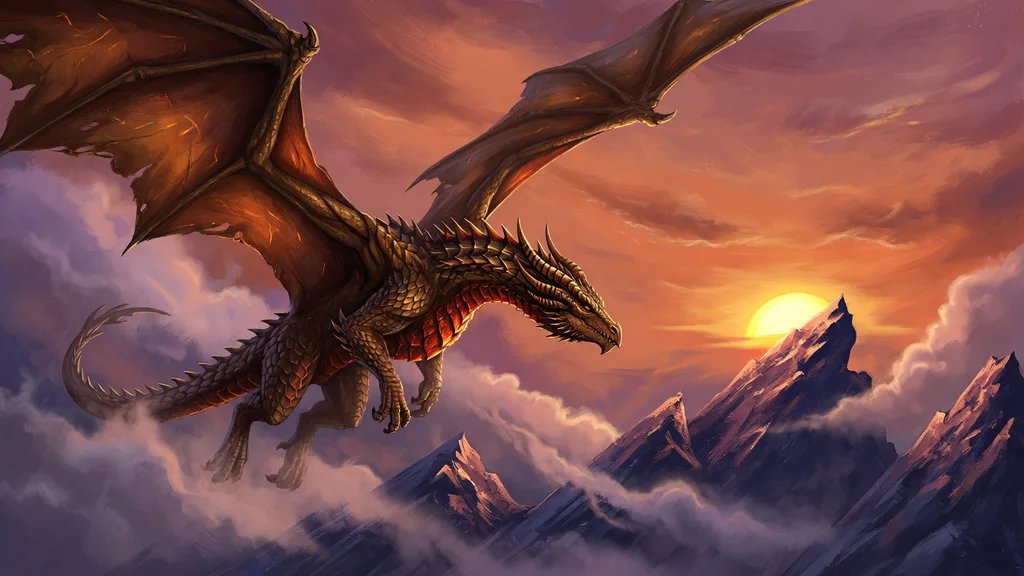
This dragon name generator forges names for the dragon itself — not a rider, not a clan of dragon-blooded folk, but the ancient, wing-shadowed creature at the center of the story. Pick an element, a tone, and a gender, and it hands back a name with a meaning attached, plus an optional title for the dragons that have earned one.
👇 Click any name to copy it
A dragon's name has to do a lot of work in very few syllables. It has to sound old, sound dangerous or wise or both, and land in a reader's ear before a single line of description backs it up. Say "Smaug" and most people picture fire and ruin before they remember a single plot detail — that's the bar a good dragon name clears.
This generator leans into that. Nine elemental lineages shape the sound of the name, four tones shape the epithet, and every result ships with a short line of lore so the name doesn't arrive empty-handed.
Tips for Naming a Dragon
A dragon's name should feel earned, not assigned. A few things to keep in mind:
- Match the element. A fire dragon named for frost reads as a mistake the moment someone pictures it. Let the name hint at what the dragon breathes.
- Keep the core name short. Two heavy syllables — Vornathrax, Emberkaan — carry more weight than a long string a reader has to sound out.
- Save the epithet for dragons that deserve one. A young dragon with no reputation doesn't need "the Doomcaller" attached yet. Titles are earned in-story.
- Read it aloud. Dragon names live in dialogue — a scout screaming a warning, a bard singing a ballad. If it trips the tongue, trim it.
- Let the meaning inform the character. A name meaning "born where embers never cool" tells you something about temperament before you write a single scene.
- Don't overload the sound. One or two hard consonant clusters (thr, kr, gh) read as ancient. Five in a row reads as noise.
Example Dragon Name Ideas by Element
- Fire: Emberkaan, Cindresh, Pyrgorn, Vorthrax
- Ice: Frostessa, Glacthiel, Rivenwyn, Sleetnyra
- Shadow: Umbroth, Nocthrax, Vhaelessa, Duskion
- Ancient: Aldmordu, Primoraar, Eldraxendor, Wyrnys
How to Use Dragon Name Generator
Pick an element — Fire, Ice, Storm, Shadow, Gold, Forest, Sea, Bone, or Ancient — to set the phonetic and lore flavor of the result. Choose a gender to shift the ending sound harder or softer, then set a tone — Majestic, Fearsome, Wise, or Ancient — which only matters once you switch the epithet toggle on.
Use the slider to choose how many names to roll, then hit Generate. Every card comes tagged with its element, a short meaning, and a line of lore. Toggle the epithet on for named legends — "Vornathrax the Ashmaker" reads very differently from plain "Vornathrax." Click any card to copy it. Don't like a batch? Generate again — the pools are large enough that repeats are rare.
Dragon Names by Element
Each element shapes both the sound of the name and the temperament behind it. Use the table below as a quick reference when picking an element in the generator above.
| Element | Sound | Feel |
|---|---|---|
| Fire | Hard, clipped, consonant-heavy | Wrathful, territorial, proud |
| Ice | Sharp, sibilant, clean edges | Cold, patient, merciless |
| Storm | Fast, rolling, thunder-adjacent | Volatile, restless, loud |
| Shadow | Soft, low, half-swallowed | Secretive, watchful, rare |
| Gold | Rich, ringing, formal | Vain, wealthy, possessive |
| Forest | Green, breathy, natural | Old, rooted, protective |
| Sea | Fluid, pressure-heavy | Distant, unknowable, tidal |
| Bone | Dry, hollow, blunt | Silent, patient, feared |
| Ancient | Long, layered, deliberate | Timeless, unreadable, alone |
About Dragon Names
Every culture that told dragon stories built its own naming logic, but a few threads run through nearly all of them: hard consonants, syllables that feel chewed rather than spoken, and a general refusal to sound cute. A dragon name doesn't need to be pronounceable on the first try — it needs to sound like it predates the language being used to say it.
Typical patterns. Most memorable dragon names follow a short prefix-plus-suffix structure — a root tied to the dragon's nature, fused to a heavy ending. Fewer syllables usually reads older, not younger; a two-beat name like Vornathrax carries more weight than a five-syllable string most readers will skim past.
- Hard consonant clusters — thr, kr, gh, dr — read as ancient and dangerous.
- Long vowels and soft endings (-essa, -ithra, -lyra) shift a name toward elegant rather than brutal.
- An epithet — "the Ashmaker," "Skyscourge" — is earned, not assigned at hatching. It marks reputation, not birth.
- Elemental roots (ember-, frost-, umbr-) let a reader guess the dragon's breath weapon before it's used.
If you're naming a dragon-blooded humanoid rather than the beast itself — a player character in a tabletop game, for instance — the dragonborn name generator handles the clan-and-honor-name structure that dragons don't use. And if the dragon in question shares a lair with smaller, trap-loving kin, the kobold name generator covers that side of the family tree.
Dragon Name Meanings
None of these are official translations — dragon-tongue has no dictionary — but giving a name a meaning makes it stick, and it gives a writer or game master something to build a personality around. Here's how a few generated names might read, and the element each one suits.
| Name | Suggested meaning | Fits element |
|---|---|---|
| Emberkaan | Born where embers never fully cool | Fire |
| Frostessa | Carved from a glacier that remembers every step | Ice |
| Thungorn | Carries thunder in every wingbeat | Storm |
| Umbrithra | The shape you see just after you stop looking | Shadow |
| Auringorn | Wears wealth like armor, not decoration | Gold |
| Sylvanwyn | Grew into its name the way a tree grows a canopy | Forest |
| Thalnyra | Born where the map runs out of coastline | Sea |
| Ossuarthrax | Carries the quiet of a battlefield long gone silent | Bone |
| Eldraxion | Older than the myths that claim to explain it | Ancient |
Famous Dragons in Myth and Fiction
Real naming traditions don't come from a single source — they've been shaped by centuries of myth, epic poetry, and modern fantasy borrowing from all of it. These reference points won't appear in the generator's output, but they're useful shorthand for the register a good dragon name should hit.
- Fáfnir — the Norse dragon of the Völsunga saga, a prince transformed by greed into a hoard-guarding wyrm. The template for "a name is a curse you grow into."
- Smaug — Tolkien's fire-drake, a single hard-edged name that does more character work than most three-page descriptions manage.
- Tiamat — the Babylonian chaos-dragon, a name that reads as older than the myth built around it.
- Nidhogg — the Norse wyrm gnawing the roots of the world tree, proof that a name doesn't need to be pronounceable to be terrifying.
- Ryūjin — the Japanese dragon god of the sea, a reminder that not every legendary dragon is a villain — some are guardians and rulers.
- Draco — Latin for dragon and the root behind half the fantasy dragon names ever written, including most of the vocabulary this generator draws on.
Notice the pattern: almost none of these are soft. Even Ryūjin, a benevolent sea god, carries weight in the name rather than warmth. That's the throughline worth stealing — a dragon name earns respect through sound, not sentiment.
Naming a Dragon by Personality
Element sets the phonetic base, but temperament decides which name inside that pool actually fits. A hoard-obsessed elder reads differently from a young, quick dragon still testing its wings — even if both breathe fire.
Territorial and possessive. These dragons don't share airspace, lairs, or hoards. Short, hard names with a blunt ending work best — Kaangorn, Drethmordu, Zurathkresh. The Fearsome tone and its epithets (the Bonebreaker, the Dreadwing) suit this temperament exactly.
Old and watchful. A dragon that's outlived three kingdoms doesn't need to prove anything. Ancient-element names — Aldmordu, Primoraar, Wyrnys — carry that weight on their own, and the Wise or Ancient tones add a title without making the dragon sound aggressive.
Curious and social. Not every dragon in fiction is a hermit. Some trade with merchants, negotiate with kingdoms, or keep human companions. Softer-ending names — Frostessa, Sylvanwyn, Ithraessa — read as approachable without losing the sense that the creature could still end a war if provoked.
Young and untested. A hatchling or juvenile dragon hasn't earned an epithet yet. Leave the epithet toggle off and let the plain name carry the character until the story gives it a reputation worth naming.
Legendary Dragons and Epithets
Fiction's most memorable dragons almost always carry a title alongside their name — a line of reputation stapled to the name itself. A hoarder becomes "the Gold-hearted." A dragon that razed a kingdom becomes "the Ashmaker" whether it ever asked for the title or not. The epithet toggle in the generator above recreates that pattern: switch it on and a tone-matched title gets fused to the core name.
Epithets work best as a reward for story weight, not a default. A hatchling three chapters into a campaign hasn't earned "the Doomcaller" yet — that name gets bestowed after the dragon does something a kingdom won't forget. Save the toggle for the dragons your story has already spent time building.
If your setting also needs a weapon worthy of facing one of these creatures, the sword name generator and the god name generator both lean on the same hard-consonant, old-sounding phonetics — useful if you want a dragon-slayer's blade or the deity a temple prays to before the dragon arrives.
Example Names
Dragon Names by Gender Lean
- Vornathrax
- Kaangorn
- Drethmordu
- Zurathkresh
- Emberthrax
- Nyralyra
- Vayathiel
- Saelwyn
- Ithraessa
- Umbrilyra
- Eldraxys
- Primoraar
- Wyrnendor
- Krysosion
- Bracknael
Epithets by Tone
- Majestic: the Skycrowned, the Sunwarden, Skyscourge
- Fearsome: the Ashmaker, the Bonebreaker, the Dreadwing
- Wise: the Farseeing, the Silent Sage, the Riddlewing
- Ancient: the First-hatched, the Timeworn, the Undying
Building a Backstory Around a Dragon's Name
If you want the meaning to be real. Dragon names here are built for sound and lore rather than translated from an existing language. When a dragon needs a name that genuinely means something — a fire-wyrm whose name says fire in Sanskrit or Old Norse — our list of names that mean fire gives the actual root behind each one, and separates real fire words from the many names that only mean red.
A name is the fastest backstory shortcut in fantasy writing. Instead of a page of exposition, a well-built dragon name lets the reader do the work themselves. "Ossuarthrax" suggests a battlefield history before a single scene shows it. "Frostessa" suggests restraint and cold precision without a line of dialogue.
Game masters can use the same shortcut at the table. Roll a name from the generator, read the meaning and lore line out loud when the dragon is introduced, and let players fill in the rest. It's faster than writing a paragraph of prep, and it tends to land harder — a dragon revealed through a single well-chosen line of lore sticks with a table longer than one explained in full.
For a written story, the same principle applies at a slower pace. Decide the dragon's element and temperament first, generate a handful of names, then pick the one whose meaning line best matches the scene you're about to write. A name chosen after the fact reads as random; a name chosen to fit the moment reads as inevitable.
Naming Dragons Across Fantasy Settings
A dragon in a Viking-flavored saga wants a different name than one guarding a Gothic cathedral crypt. If your setting draws on Norse raiders and longships, the viking name generator can supply the human side of the story — jarls, shieldmaidens, and the sagas that eventually get written about whichever dragon they crossed.
For campaigns spanning multiple dragons — a hoard-guarding matriarch, her younger fire-blooded rivals, an ancient sea-wyrm no one's seen in a century — run the generator once per element and keep a shared tone. A pack of Fearsome names reads as a single threat; mixing Fearsome with Cute-adjacent softness undercuts the whole roster.
FAQ for Dragon Name Generator
What makes a dragon name sound right?
The best dragon names lean on hard, rolling consonants and old-sounding syllables — the kind of name that feels older than the person saying it. A short prefix tied to the dragon's nature (fire, frost, shadow) fused with a heavy suffix does most of the work. That's the same pattern behind classics like Smaug: two blunt syllables that land like a struck bell.
Where can I use the Dragon Name Generator?
It's built for D&D and other tabletop campaigns, fantasy novels and short stories, worldbuilding notes, screen names, and any game that needs a dragon with presence. Every result is an original combination — nothing pulled from a published book or franchise — so it's safe to use in your own setting.
Do dragon names need to match an element?
Not strictly, but it helps. A frost wyrm named for fire reads as a mismatch the moment a reader pictures it. Matching the element to the name — Frostwyn for ice, Emberkaan for fire — gives the audience a shortcut to imagining the creature before you've described a single scale.
What's the difference between a dragon's name and its epithet?
The name is what the dragon answers to — short, often two syllables. The epithet is the title earned through reputation: 'the Ashmaker,' 'Skyscourge,' 'the Doomcaller.' Not every dragon needs one. Ancient, feared, or storied dragons tend to collect epithets the way kings collect titles.
Are these dragon names based on a specific mythology?
No single one. The generator's syllable pools borrow the general feel of dragon names across myth and fantasy fiction — hard consonants, old-sounding roots, weight in the mouth — without copying names from any particular book, game, or franchise. Every result is an original combination.
How is a dragon name different from a dragonborn name?
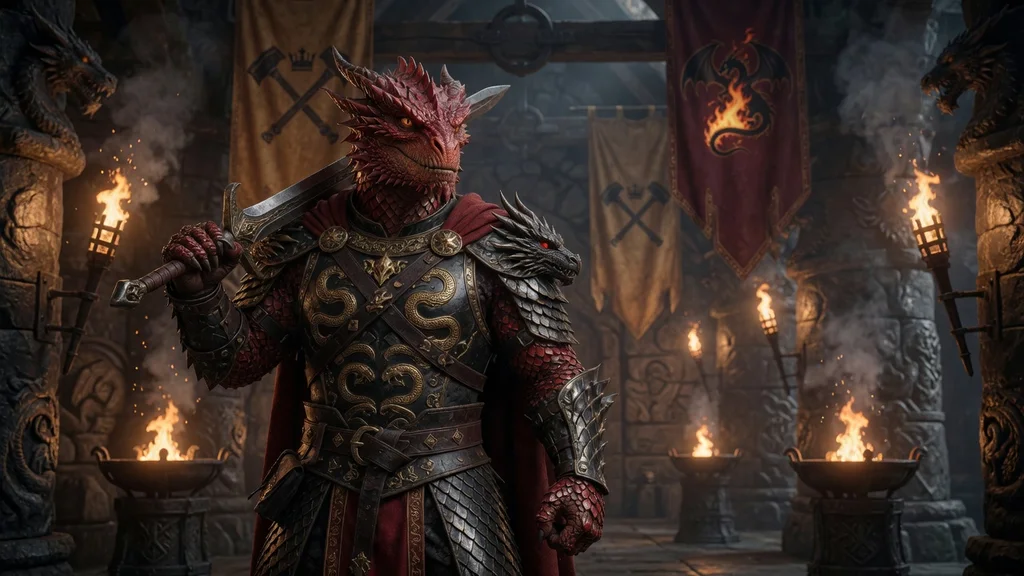
A dragon name belongs to the beast itself — a single, often ancient name with no clan attached. A dragonborn name belongs to a humanoid descendant of dragons and typically carries three parts: a personal name, a clan name, and a childhood nickname. If you're naming a player character rather than a dragon, the dragonborn name generator is the better fit.