Sword Name Generator

This sword name generator produces legendary blade names across five distinct styles — heroic, dark and cursed, elven, ancient runic, and elemental. Every weapon that outlives its first wielder needs a name people can repeat. Pick a style and a name form, set how many you want, and generate.
👇 Click any name to copy it
Legendary weapons earn their names the hard way: through the deeds done with them, the hands that held them, or the curses sealed inside. A blade called "Widowmaker" tells a story before anyone draws it. "Caelthorn, the Last Light" tells two.
The right name does real work in fiction — it signals tone, history, and stakes. A sword named "Oathkeeper" belongs in a different story than one named "Soulreaper."
How Legendary Weapons Get Their Names
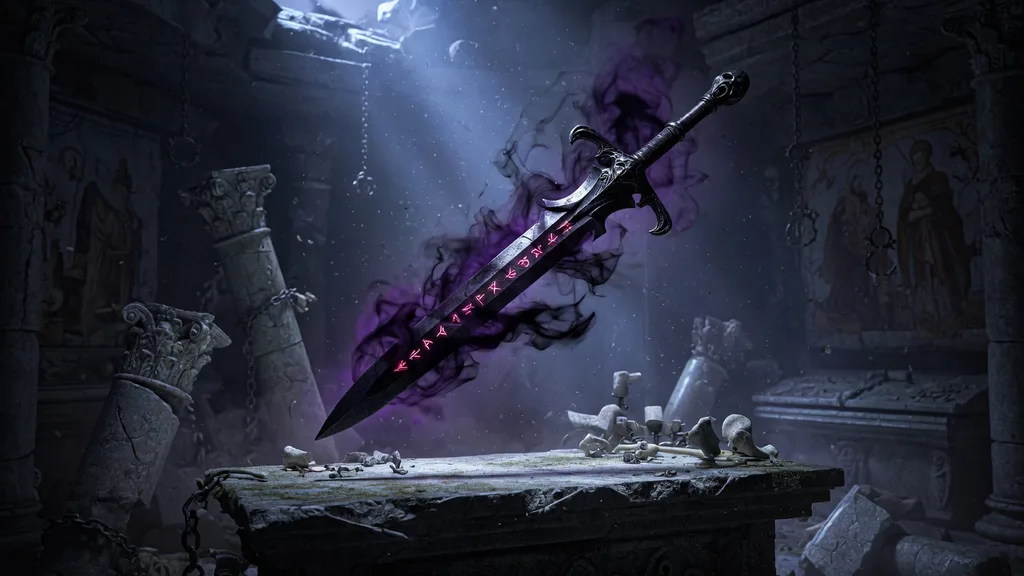
Most named swords in myth and fiction earned the name through one of three paths.
The deed. The blade cuts down a tyrant, breaks a siege, or survives something that should have destroyed it. Survivors name it. "Widowmaker" didn't come from the smith — it came from the soldiers who saw what it did at the wall. Names from deeds are retrospective; the sword becomes the name after the fact.
The material or origin. A blade quenched in glacier water picks up "Frostbite." One hammered in volcanic stone becomes "Emberstrike." The physical process writes itself into the name. These names travel with the weapon from the forge, and they tend to match what the sword does in practice — the cold blade really does bite harder.
The curse or enchantment. Some weapons are named for what they carry inside. "Soultaker" isn't a boast — it's a warning. When a sword drains warmth from the hand that holds it, or screams in the night, or refuses to stay sheathed, the name arrives fast. These are the swords with conditions. The name is part of the curse.
Compound Names and Why They Work
Nearly every great sword name is a compound: two meaningful parts fused into one. "Dawnbreaker" pairs dawn (hope, light, beginning) with breaker (destruction, force). The tension between the two halves is the whole point — it's not just a bright sword or just a violent one. It's both at once, and that contradiction is interesting.
The same logic runs through "Widowmaker," "Oathkeeper," "Runecarve," and "Stormguard." Pick two things that relate — or clash — and press them together. The shorter the result, the better. Three syllables is ideal. Four works. Five starts to slip.
Elven names stretch this further. "Caelthorn" builds on a soft root (Cael — sky or light in fantasy phonetics) and a harder one (thorn). The softness of the first syllable makes the second cut more. That's elven naming in miniature: beauty and edge in the same breath.
Name Styles at a Glance
| Style | Feel | Example |
|---|---|---|
| Heroic | Glory, dawn, valor — blades for champions | Dawnbreaker, Oathkeeper |
| Dark / Cursed | Shadow, ruin, grief — swords with a cost | Widowmaker, Soulreaper |
| Elven | Stars, moonlight, living wood — ancient and elegant | Caelthorn, Silverbough |
| Ancient / Runic | Old power, carved stone, deep time | Runecarve, Goldbrand |
| Elemental | Fire, frost, lightning — forged in a force of nature | Frostbite, Emberstrike |
Name Forms: One Word, The ___, or Epithet
The generator offers three forms, and the choice shapes how a name lands in prose or at the table.
One word. Clean and direct. "Dawnbreaker." "Widowmaker." These names work as proper nouns that need no introduction. They belong to swords with reputations so established that a single word carries the full weight.
The ___. Adding "the" signals the blade is one of a kind — "The Widowmaker" reads differently than just "Widowmaker." It sounds like a title. Use it for weapons that have crossed into legend and are spoken of with a degree of dread or reverence.
Epithet form. "Caelthorn, the Last Light." "Runecarve, Bane of Kings." This is the most formal and the most storied. The main name comes first; the epithet follows after a comma. Chroniclers and scholars give blades epithets. It's the name for a weapon that has been written about — that exists in histories, not just in the hand of whoever is holding it now.
Using Sword Names in D&D, RPGs, and Fiction
A named sword in D&D is a promise to the player. The moment a weapon has a name, it has a past — and that past creates expectations. If you hand a paladin "Oathkeeper," you've implied oaths, you've implied that someone kept them or broke them. The name becomes a hook the player can pull.
For fiction, named weapons do the same work. The sword is a character with more history than its current owner. It's been in other hands. Some of those hands made bad choices. A dark-style name like "Soultaker" opens a story immediately: who named it that, and what did they do to earn the description?
Video game designers use sword names to signal tier and rarity. Heroic names land on end-game weapons because they carry weight. Elemental names work at mid-tier — specific enough to be interesting, not so storied that they dominate the narrative. Runic and ancient names pair well with lore-heavy quest rewards.
Tips for Naming Your Own Legendary Blade
- Start with the deed, not the adjective. Ask what the sword did — then name it for that. The name follows the story, not the other way around.
- Keep it short. Two syllables hits hardest. Three still works. Four is the ceiling before a name starts to feel like a description.
- Test it aloud. A name that trips the tongue at the table won't stick. Say it before you commit.
- Pick a tension. The best compound names hold two things in friction — light and ruin, hope and edge. That tension is what makes the name interesting.
- Match the blade's nature. An ice sword named "Emberstrike" creates confusion. The name should confirm what the weapon is, or contrast it deliberately — and the deliberate contrast needs a reason.
- Consider who named it. A smith named the blade one thing; survivors might have renamed it. Two names for the same sword is a story in itself.
Example Sword Names
Heroic Blades
- Dawnbreaker
- Oathkeeper
- Stormguard
- Sunshard
- Valorcrest
- Ironheart
- Skyreaver
- Glorymark
- Trustedge
- Starstrike
- Blazecrown
- Dawnsong
Dark and Cursed Blades
- Widowmaker
- Soulreaper
- Grimfang
- Doomwhisper
- Blackthorn
- Bloodmere
- Hollowbite
- Bonewhisper
- Heartsbane
- Ruinmark
- Deathknell
- Wailsong
Elven Blades
- Caelthorn
- Silverbough
- Starweave
- Moonridge
- Aelindra
- Vaelorn
- Sylmere
- Faebright
- Lirethis
- Glimmerveil
- Serenath
- Windstroke
Ancient and Runic Blades
- Runecarve
- Goldbrand
- Stonedrinker
- Worldedge
- Deepcleave
- Ironrune
- Ashmark
- Ancientward
- Deepword
- Runeborn
- Earthcleave
- Greymantle
Elemental Blades
- Frostbite
- Emberstrike
- Stormshard
- Thunderfang
- Voidedge
- Glaciercleave
- Cinderbreaker
- Hailsong
- Ashflame
- Stormborn
- Frostcrown
- Thunderward
FAQ for Sword Name Generator
How do legendary swords get their names?
Usually through three routes: the deed that made the blade famous ('Widowmaker' after a battle), the material or origin ('Frostbite' from a glacier-tempered edge), or a curse or enchantment bound into the steel. The name sticks when people keep using it — at some point the sword owns the name more than its wielder does.
What makes a good sword name for D&D or fiction?
Short, pronounceable, and charged with implication. One or two syllables hit hardest. A name like 'Dawnbreaker' tells you the weapon is bright, forceful, and probably famous. Avoid anything that sounds generic — the name should feel like it earned a place in a story.
Where can I use the Sword name generator?
It works for D&D campaign loot tables, tabletop RPG weapon rewards, video game item lists, and fantasy manuscripts that need a signature blade on short notice. Pick a style and name form, generate a batch, and copy whichever name carries the right weight for the scene. Every result is an original combination, free to use in personal or commercial creative projects.
Can I use these sword names in my game or novel?
Yes. Every name the generator produces is an original combination — not pulled from any game system or published novel. Use them freely in D&D campaigns, tabletop RPGs, video games, fiction, or world-building projects.
What is the epithet name form?
Epithets follow the pattern 'Bladename, the Descriptor' — for example, 'Caelthorn, the Last Light' or 'Widowmaker, Bane of Kings'. This form works best for truly legendary weapons: the epithet adds the weight of reputation, as if chroniclers gave the blade a second name after its most famous deed.
Where do sword names get their meaning from historically?
Historically and in fiction alike, sword names get their meaning from one of three sources: the deed the blade became known for, the material or place it was forged, or a curse bound into the steel — the same three paths this generator's five styles draw on. A name given after the fact, like a battlefield epithet, feels earned in a way a name chosen in advance rarely does. That's why the strongest sword names read like compressed stories rather than labels, and it's the logic this generator follows across heroic, dark, elven, runic, and elemental styles.
How do elven sword names differ from heroic ones?
Elven names draw on natural imagery — stars, moonlight, leaves, wind — and tend toward softer sounds and longer compounds. A blade called 'Silverbough' reads as elegant and old. Heroic names are bolder, stressing action and glory: 'Dawnbreaker', 'Oathkeeper'. Both are compound names, but the raw materials are different.
What is an elemental sword name?
A name tied directly to a physical force: fire, frost, lightning, void. 'Frostbite' and 'Emberstrike' belong here. These names suggest the blade was forged with or by an elemental power — volcanic magma, a lightning storm, glacial ice. They work especially well for enchanted weapons in high-magic settings.