
Fantasy Continent Name Generator

This fantasy continent name generator produces sweeping landmass names built for world maps, D&D campaigns, and novels where scale matters. Choose a style palette, pick a scope, and let the generator give your continents the ancient, grand sound they deserve — names that feel like they've been on maps for ten thousand years.
👇 Click any name to copy it
A continent name is the broadest label on your world map. It carries more weight than a kingdom or a city — it should feel geological, like the land itself earned the name before any civilisation arrived to claim it. That difference in scale is everything.
Get a batch, copy the ones that resonate, then adjust a syllable or two to make them your own. Click any card to copy it to the clipboard.
Continent Names vs. Country Names — Why the Scale Matters
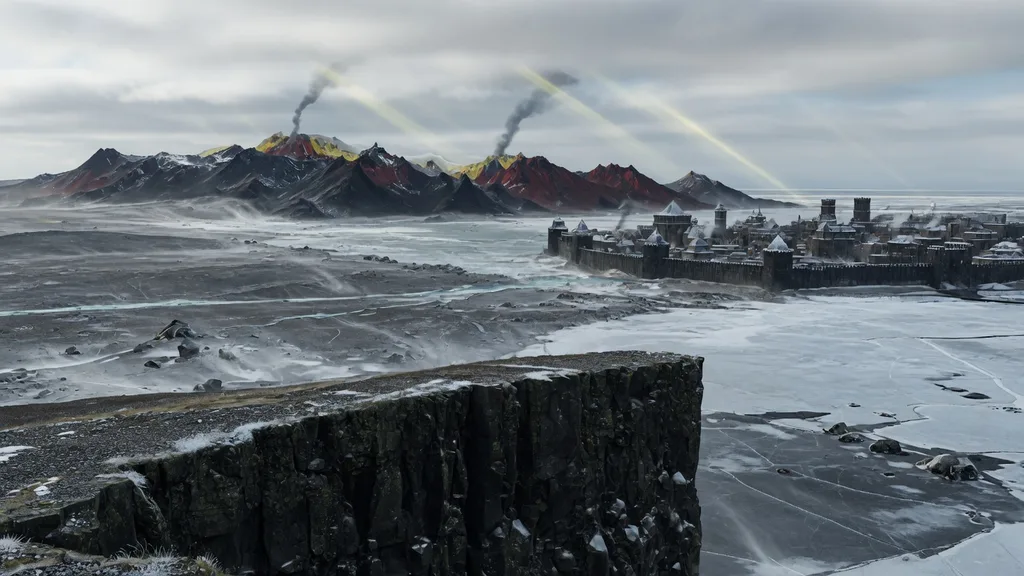
Most name generators lump continents and countries together. That is a mistake your world map will make obvious. A fantasy country name describes a political entity — a kingdom, empire, or republic with borders, rulers, and a government. Those borders move. The name belongs to a moment in history.
A continent name describes the land underneath all of that. It predates every kingdom that has ever sat on it. It gets borrowed, corrupted, translated, and argued over by peoples who may share nothing else. When you name a continent, you are naming something that will still be there when the last kingdom falls.
That distinction changes what the name should sound like. Continent names want more syllables, older roots, and suffix shapes that feel worn smooth — not the clean edges of a new political banner but the rounded form of a word spoken in a hundred dialects over millennia. The generator's pools are built with that difference in mind.
The Five Style Palettes
Pick a style to steer the phonetics. Each produces a distinct sound when read aloud — test the names that way before committing, because how a name sounds to your players or readers matters as much as how it looks on the page.
| Style | Feel | Example |
|---|---|---|
| High Fantasy | Latinate, vowel-rich, regal — ancient but warm | Caldreth, Aurovania, Solmareth |
| Dark / Grim | Harsh clusters, blunt closes — forbidding and cold | Morthisdread, Vornakmire, Ashvorngar |
| Elven / Ancient | Long liquids, soft vowels — deeply old and musical | Aelindrawyld, Silaevar-lael, Quelindorthiel |
| Norse / Frozen | Hard consonants, fjord-weight — cold and honest | Thornvikfell, Hrodfallgard, Skjalmarcrag |
| Exotic / Desert | Open syllables, ancient warmth — sun-and-sand civilisations | Khazamaristan, Zarqadirath, Tahlavarahar |
Naming a Continent for a D&D Campaign
Your players will hear this name every session. It goes on the handout map, in the session zero monologue, and in the name of every organisation tied to regional identity. A bad name costs you friction for the entire campaign.
A few things that help. First, keep it to two or three syllables once you strip the scope wrapper. "Valdreth" is a continent; "The Continent of Valdreth" is how a historian refers to it in a letter. Your players will call it Valdreth at the table — make sure that core name works on its own.
Second, let the name hint at the dominant geography or culture without spelling it out. Norse-palette names carry cold and stone in their phonetics. Exotic-palette names carry heat and dust. That association does half your world-building silently.
Third, give the continent at least one alternate name — what the people who live there call it versus what outside powers call it. That gap is a story hook.
Naming a Continent for a Novel or World Map
In prose, a continent name appears in exposition, maps, and character dialogue. It should scan differently from a city or kingdom name so readers don't mix them up. One reliable technique: continent names end in geographic suffixes (-reach, -wyld, -mar, -eth) while kingdoms use political suffixes (-ia, -heim, -guard). The reader internalises the difference without noticing.
For a world map, the name also needs to look good in a hand-lettered or printed label. Long compound names like "Aelindrawyld" work in lore text; on a map you might abbreviate or stylise. Build the full canonical name first, then decide what the cartographers write.
Tolkien named his landmass Middle-earth — plain, almost journalistic. Jordan named his continent "Randland" as a working title that fans adopted. Le Guin's Earthsea archipelago names the sea, not the land. None of these are wrong; they are all intentional. The generator gives you options; the intent is yours.
How to Build a Believable World Map
A map convinces when the names have internal logic. That means more than phonetic consistency — it means thinking about who named things and when.
The oldest features (mountains, major rivers, the continent itself) tend to carry the oldest language roots — often Elven-palette or Exotic-palette names that survived because geography outlasts dynasties. Kingdoms and cities sitting on top of that geography often translate or corrupt the old names. "The Reach of Aelindrawyld" might be what scholars write; the locals just say "the Reach." That compression is realistic.
Consider giving each continent two or three naming layers: the pre-human or elder-race name, the name the first colonists gave it, and the modern common-tongue name. Even if only one appears on the map, knowing the others gives you depth to drop into lore.
Tips for Finalising Your Continent Name
- Say it aloud three times. If you stumble, simplify. Your players will stumble too.
- Check the initials. "Vrak Ominous Gath" is a disaster on a map legend.
- Test it in a sentence. "The armies of Valdreth…" — does that land? "The armies of Morthisdread…" — does that land differently?
- Keep the core short. Two to three syllables before any scope wrapper. The wrapper is optional; the core name is permanent.
- Pick a scope that fits the lore. "Reach" implies a frontier. "Lands" implies a contested or loosely unified territory. "Continent" is the neutral geographic term. Let the history of your world steer the scope.
- Reserve adjacent phonetics. If your continent is Norse-palette, give its main kingdoms different phonetics (Exotic or High Fantasy) so the map has contrast.
Example Fantasy Continent Names
Grouped by style so you can compare the phonetic character of each palette side by side.
High Fantasy Continent Names
- Caldreth
- Aurovania
- Solmareth
- Elundrawyn
- Valdoria
- Mereneld
- Caelumreach
- Belarath
- Lumaris
- Ardethond
- Rovenar
- Estavaress
Dark / Grim Continent Names
- Morthisdread
- Ashvorngoth
- Vornakmire
- Drakmarfen
- Grimkarcrag
- Kharnethbarrow
- Skarothvault
- Brolkathdark
- Ghulvarscar
- Vexkarnfell
- Ulthrekwrath
- Malvothshade
Elven / Ancient Continent Names
- Aelindrawyld
- Sylvaranael
- Lirienmar-lael
- Quelindorthiel
- Vaelorthasfair
- Silaevarwood
- Taelindordell
- Rieldaraloth
- Naerthissael
- Ysindradawn
- Illyndarmyr
- Aerithorn-vale
Norse / Frozen Continent Names
- Thornvikfell
- Hrodfallgard
- Skjalmarheim
- Vardmarkreach
- Frostmark
- Bjorneldcrag
- Geirfellhold
- Drangsteinvold
- Nordrune
- Ravncragwilds
- Wulfgardpeak
- Ostrheimstrand
Exotic / Desert Continent Names
- Khazamaristan
- Zarqadirahar
- Sahravelesht
- Tahlavarath
- Qadisharbek
- Rashtahlabad
- Barazimomar
- Nashadirsai
- Marrazimavar
- Eshavaritep
- Alqazimaran
- Sarafmarahar
Scope Labels — Continent, Region, or Lands?
The scope filter changes the semantic wrapper, not the phonetics. Use it to match how the name functions in your world.
- Continent — the neutral geographic term. "The Continent of Valdreth." Used in scholarly or cartographic contexts.
- Region / Reach — implies a sub-continental area, or a frontier zone. "The Valdreth Reach" suggests a place still being claimed or explored.
- Lands — broad and cultural. "The Valdreth Lands" implies the territory associated with a people or history, not a hard political border.
For more names at the kingdom and empire scale — the political layer sitting on top of these landmasses — use the Fantasy Country Name Generator. The two generators are designed to work together: name the continent first, then populate it with countries.
FAQ for Fantasy Continent Name Generator
What makes a good fantasy continent name?
Scale and age. A continent name should feel like it has been spoken by a dozen civilisations over millennia — worn smooth and heavy with history. Longer roots, grander suffixes, and open vowels all help. Avoid names that sound like a single village; aim for something that suggests an entire world.
How is a continent name different from a country or kingdom name?
A kingdom name refers to a political entity — a ruler, a government, a set of borders that change. A continent name refers to a physical landmass that predates every kingdom on it. The name should feel geological: older, broader, less attached to any one people. Think 'Eurasia' versus 'France'.
Where can I use the Fantasy Continent Name Generator?
It's built for D&D and tabletop world-building, novel-length worldbuilding, video game map design, and any project that needs a landmass name with real geological weight. Roll a batch per style, keep the ones that fit each region, and use the results straight on a map legend or in narration.
Can I use these names for D&D world-building?
Yes. The generator produces original names built from phonetic pools designed for each style. None are taken from published sourcebooks. They fit any tabletop RPG, novel, video game, or personal world-building project.
What is the difference between the style options?
Each style drives distinct phonetics. High Fantasy leans Latinate and vowel-rich. Dark uses harsh clusters and blunt closes. Elven uses long flowing liquids and soft vowels. Norse loads in hard consonants and fjord-feel. Exotic draws on open, sun-and-sand syllables. Pick the one that fits your world's tone.
What makes fantasy continent names sound authentic?
Scale and age carry the authenticity, not any single trick. Real continent names tend to be older and blander-sounding than country names because they were fixed before political borders existed, so authentic fantasy versions lean on longer roots, worn suffixes and open vowels rather than sharp political endings. The five style palettes here are each built around a distinct phonetic tradition so the results read as geological rather than invented.
Should my continent have a different name than the world?
Usually, yes. Worlds often have a grand cosmological name while individual continents carry geographic or cultural names. The distinction helps players and readers orient themselves on a map. This generator focuses on continent and region names; if you need a world name, check the Planet Name Generator.
What does the "form" filter do?
It wraps the base name in a title structure. "Plain name" gives you a bare name like Valdreth. "The ___ Lands" gives you Valdreth Lands or Valdreth Reach. "Continent of ___" gives you The Continent of Valdreth. The plain name is best for a map label; the full forms suit in-world dialogue or lore text.


