
Castle Name Generator

This castle name generator builds stronghold names that feel earned — names rooted in geography, lordship, and stone. Each one draws on authentic naming patterns from Old English, Old Norse, and high-fantasy traditions, so your fortress has history even before you write a word about it.
👇 Click any name to copy it
Pick a style — Medieval English, High Fantasy, Dark/Grim, Elven, or Norse — and a type: Castle, Keep, Fortress, or Citadel. The form toggle wraps the name in "Castle ___" or "___ Keep" if you want that classic phrasing. Hit Generate, pick any card to copy.
How Castles Get Their Names
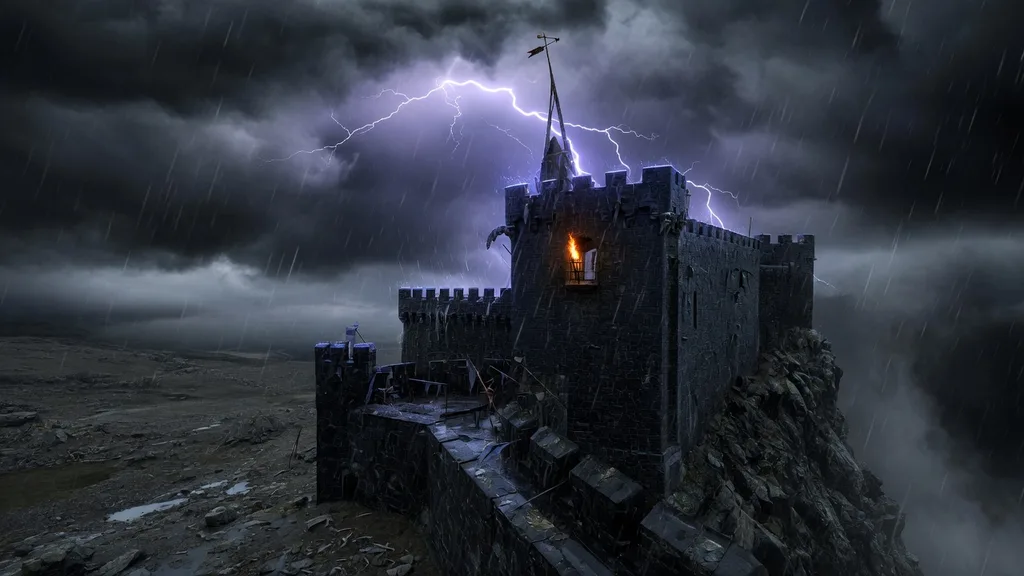
Real castle names are never random. They record the land, the lord, or the job the stronghold was built to do. Windsor takes its name from "windels" — a windlass or loading bank — because the first structure there controlled river traffic. Warwick fuses a weir with a dwelling. Bamburgh preserves the personal name of a Northumbrian queen. The fortress and its name are one document.
Three forces drive almost every castle name in history and in fiction.
The holding. The family name or lordly title attaches to the stronghold and outlasts any individual lord. Pembroke Castle bears the earldom; the earls are long gone. When you name a castle after its lord, pick a name that sounds like a dynasty, not a person — something that could belong to a line of rulers, not just one.
The geography. Hills, rivers, crags, and passes all leave marks on castle names. -crag says "sheer rock face." -mere says "beside still water." -fell says "on the high moor." -ford says "commanding a crossing." The geography names the place; the lord just inherits what the land already called itself.
The purpose. A border fortress earns a name like Ironguard or Northreach. A seat of power earns Goldenhelm or Crownspire. A last redoubt earns Dreadhold or Bonebarrow. The name tells the garrison what they're defending — and why it matters.
Suffixes and What They Signal
The suffix does half the naming work. It tells you the type of fortification, the terrain, and sometimes the culture that built it. Use this table to pick the right close for your stronghold.
| Suffix | Meaning / Feel | Example |
|---|---|---|
| -guard | A warding stronghold; protects a pass or border | Thornguard |
| -hold | A place held fast — military English, blunt and final | Ironhold |
| -helm | A hilltop seat of lordship; "home on the height" | Blackhelm |
| -spire | A soaring tower-citadel; needle-like, high, visible | Emberspire |
| -crag | A citadel on sheer rock; implies vertical impregnability | Grimcrag |
| -fell | A keep on bleak upland; northern, exposed, cold (ON fjall) | Ravenfell |
| -borg | Old Norse fortified mound; hard, northern, ancient (ON borg) | Thornaborg |
| -thalas | Elven bower-fortress; living wood and ancient oaths | Caelthalas |
| -mark | A border fortress at the edge of the known (ON mörk) | Dreadmark |
| -wall | A vast curtain of stone that defines the seat of power | Stormwall |
| -reach | The furthest outpost of a lord's authority | Northreach |
| -barrow | A keep atop burial mounds; dark, old, ominous (OE beorg) | Doombarrow |
Naming for Fiction, D&D, and Games
A castle name in fiction works on three levels at once. It tells the reader what the place is, it tells them how to feel about it, and it plants the lore before you've written a single line of description.
Tone first. Goldenspire reads as a seat of high fantasy power — gleaming, proud, maybe corrupt. Ashbarrow reads as a cursed ruin with a dark past. Silvethalas reads as an elven fastness that has stood since the first age. Get the tone right and the reader's imagination does the architecture for you.
Names that travel well. Players and readers will say the name aloud dozens of times. Ironhold lands clean. Vornmiregathdrak does not. Two or three syllables with a hard consonant somewhere in the middle tends to stick — Helmcrag, Duskward, Stormfall.
Let the name carry history. A fortress called Lastwall implies something was lost beyond it. One called Dreadmark implies a border that was drawn in blood. One called Silversong implies an elven past, even if the current occupants are human bandits. The name is the first piece of lore — use it.
For D&D specifically: castles are anchors for adventure hooks. A session starts with "you approach Grimhold" and the players have already made assumptions about what they'll find inside. That's the name doing real work at the table before the DM describes a single stone.
Example Castle Names
Names grouped by style, showing the range of tone each pool covers.
Medieval English
- Ashguard
- Blackhelm
- Crowford
- Dunkeld
- Flintreach
- Grimwall
- Harrowmere
- Helmcrag
- Ironbury
- Marshgate
- Rookhold
- Stoneguard
- Thornfell
- Wolfstead
High Fantasy
- Amberspire
- Crystalwatch
- Dawnhaven
- Embercrest
- Frostpeak
- Goldencrown
- Greygate
- Misthaven
- Runeward
- Silverhold
- Starcrest
- Stormspire
- Sunfell
- Valorgate
Dark / Grim
- Ashbarrow
- Banehold
- Bloodcrag
- Bonefell
- Carrionmire
- Doomgate
- Dreadmark
- Gallowspire
- Grimhold
- Knellwall
- Ravenmoor
- Ruin hollow
- Shadowfell
- Tombreach
Elven
- Aelspire
- Caelthalas
- Elyrnmere
- Faerhold
- Glordell
- Ithilgate
- Lorielvale
- Maelriel
- Naershael
- Quelwynd
- Rielcrest
- Silthalas
- Thalwood
- Vaelspire
Norse
- Bjornborg
- Brandhelm
- Drangfell
- Frostgard
- Geirmark
- Grimmeborg
- Haldhold
- Ravnfell
- Skarskar
- Steinborg
- Thornhelm
- Ulvgard
- Valdfell
- Wulfmark
Tips for Naming Your Stronghold with the Castle Name Generator
- Anchor it to terrain. A castle on a cliff earns -crag. One above a lake earns -mere. Geography that shaped the building should shape the name.
- Match tone to story. Names carry mood before the first description. Goldenspire is heroic. Grimhold is threatening. Pick the one that fits the story you need.
- Say it aloud. Two or three syllables travel better through a campaign or a chapter than five. Helmcrag. Duskward. Ironfall. Count how many times players or readers will have to say it.
- Borrow from history. Real castle names are built from Old English and Old Norse morphemes that appear in hundreds of place-names across Britain. Using -bury, -ford, -wich, or -sted instantly grounds a medieval castle in something real.
- Let the type fit the prefix. Dark roots read better with blunt suffixes: Doomwall, Bloodcrag, Bonefell. Elven roots read better with flowing ones: Caelthalas, Vaelwynd, Aelspire. The phonetics should cohere.
- Give it a nickname. Real fortresses earn informal names from the people who garrison or fear them. A place officially called Thornguard might be known locally as the Thorn, or just Guarding-House. Use both in fiction.
FAQ for Castle Name Generator
How do real castle names work?
Most historic castle names are compounds: a geographic or descriptive root fused with a suffix that marks the type of fortification. Warwick comes from 'wer' (weir) and 'wīc' (dwelling). Windsor from 'windels' (windlass) and 'ōra' (bank). The suffix tells you what it is; the root tells you where it stood or who built it.
What is the difference between a castle, keep, fortress, and citadel?
A keep is the original inner tower — the oldest, hardest part. A castle is the full complex: keep, curtain walls, gatehouse, and grounds. A fortress is a purely military installation with no pretense of lordly residence. A citadel is an armored urban core built to hold a city even after the outer walls fall.
Where can I use the Castle Name Generator?
It's built for tabletop campaigns, novel drafts, worldbuilding wikis, and game design docs — anywhere a fortress needs a name before you write the scene set inside it. Drop a result straight into a session-prep doc, a map key, or a chapter outline without further editing. Run it again mid-campaign whenever the party discovers a new stronghold that needs christening on the spot.
What suffixes make a good castle name?
The strongest ones carry meaning: -guard (a warding post), -hold (a place held fast), -helm (a hilltop seat), -spire (a soaring tower-fortress), -crag (a stronghold on sheer rock). Pick a suffix that fits the geography and the lord's reputation.
Can I use these names in D&D, Pathfinder, or other TTRPGs?
Yes. Every name is an original combination built for fictional use. They follow authentic naming conventions from Old English, Old Norse, and high-fantasy phonetics, so they slot naturally into published settings or homebrews without feeling generic.
Why do fictional castle names still follow real naming rules?
Even in a fully invented world, castle names work best when they follow the same logic as real ones — a root that points to geography or founder, and a suffix that marks the type of stronghold. Readers and players have absorbed that pattern from centuries of real place names without consciously knowing the rules, so a name built the same way reads as authentic even if the words are invented. That's why this generator borrows real Old English and Old Norse morphemes instead of assembling random syllables.
How do I name a castle for a story or novel?
Tie it to the land, the lord, or the fortress's role. A border keep earns a name like Ironreach; a seat of ancient kings might be Goldenhelm. Let the name carry the history — readers pick up on that weight even if they never learn the etymology.
What makes an elven or Norse castle name sound right?
Elven names lean on flowing vowels and liquid consonants — Cael, Vael, thalas, wynd — so they feel old and unhurried. Norse names use hard consonants and blunt closes — borg, fell, skar, gard — so they land like iron on stone. Match the phonetics to the culture you're building.


