
Newspaper Name Generator

This newspaper name generator doesn't just mash words together — it runs on the real formula behind newspaper names: a place (or nothing, for a national paper) paired with a noun that implies authority, speed or vigilance. Pick a publication type, a tone, a setting, and whether you want "The" in front, then generate a batch. Every noun that comes out has a documented meaning attached, so you'll know exactly why "Tribune" and "Gazette" feel different before you pick one.
👇 Click any name to copy it
Newspaper names are one of the few naming categories with a genuinely stable, traceable system behind them. Unlike a band name or a startup brand, where "sounds cool" is often the whole strategy, a newspaper name is built from a small, closed set of nouns that have carried the same meaning for a century or more — and a place name that anchors the paper to the community it claims to serve.
That's the gap most generators in this space miss. They'll bolt "Daily" onto a random city name and call it done. This one treats the noun choice as the most important decision in the name, because it's the one word doing all the branding — and explains what each one means as you generate it.
How to Use This Newspaper Name Generator
- Pick a publication type. City daily, small-town weekly, national, school, university, fictional-world, or corporate newsletter — each has its own structure, not just a different word swapped in.
- Choose a tone. Serious pulls from the classic Herald/Tribune/Gazette pool. Tabloid leans punchier (Sun, Scoop, Wire). Satirical is built for parody projects. Historical draws on older terms like Intelligencer and Courant.
- Set a setting. Real-world, Fantasy, Sci-Fi or Victorian — this changes the flavor of any place name used, not the noun pool.
- Decide on "The." Force it on, force it off, or let the generator apply the real convention automatically based on publication type.
- Generate, then click any card to copy it. Slide the count up for a bigger batch to shortlist from.
Newspaper Naming Conventions — The Place + Noun Formula
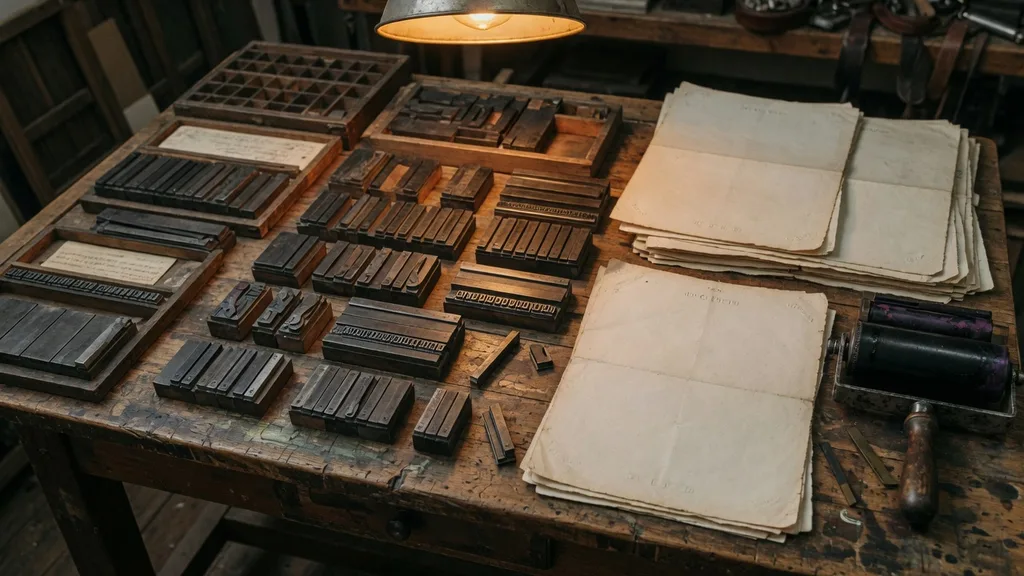
Open a phone book from any English-speaking country — or, more realistically, search a newspaper archive database — and the pattern jumps out immediately. Almost every local paper follows the same two-slot structure: [place] + [noun]. The Millbrook Herald. The Oakfield Tribune. The Springdale Gazette. Swap the place, swap the noun, and you've covered the overwhelming majority of newspapers ever printed.
Why the place comes first
The place name does the job of telling a reader, at a glance, whether this paper is theirs. A paper that opens with a town name is making a specific promise: coverage of this place, written by people who live there. That's why national papers drop the place entirely — The Times, The Guardian, The Washington Post — the absence of a town name is itself a signal that the paper claims a wider territory.
Why the noun is the real branding decision
Once the place is set, the noun is doing all the remaining work, and it's rarely arbitrary. Newspaper nouns fall into a few recurring families: messenger words (Herald, Courier, Post) that promise the paper delivers news to you; watcher words (Sentinel, Observer, Beacon) that promise vigilance on your behalf; record words (Chronicle, Register, Ledger, Journal) that promise accuracy and permanence; and authority words (Tribune, Standard) that promise the paper speaks with some institutional weight. Pick a family that matches how the paper actually wants to be seen, not just whichever word sounds nicest.
The "The" convention
Adding "The" in front is a small word doing a specific job: it implies definiteness — THE paper of record for this place, not just a paper. That's why it clusters around established, serious, place-anchored papers, and why it thins out for tabloids, wire services and modern digital-first outlets that want to sound quicker and less institutional. School papers and internal company newsletters usually skip it too, since the informality fits the audience. The generator applies roughly this same logic when the "The" filter is left on "Let it decide," weighting the odds by publication type instead of flipping an even coin.
Newspaper Names by Publication Type
Scale changes the naming pattern more than most people expect. Use this table alongside the Publication Type filter above.
| Type | Typical Structure | Example |
|---|---|---|
| City Daily | [Place] + [Noun], sometimes with "Daily" inserted | The Millbrook Herald |
| Small-Town Weekly | [Place] + "Weekly" + [Noun] | The Pinehollow Weekly Gazette |
| National | No place — "National" or "Daily" + [Noun], or the noun alone | The National Tribune |
| School | [Mascot] + [Press-word], almost never "The" | Wildcat Wire |
| University | [Place/School] + optional "Daily" + [Noun] | The Ashford Daily Review |
| Fictional World | [Invented Place] + [Noun], occasionally reversed to "[Noun] of [Place]" | The Ravenhollow Herald |
| Corporate Newsletter | Optional cadence word + internal-facing noun, rarely "The" | Weekly Loop |
What Newspaper Nouns Really Mean
This is the part most generators skip entirely. Every noun below has a real, traceable meaning — knowing it makes picking one a genuine decision instead of a coin flip.
| Noun | Meaning / Origin | Best-Fit Tone |
|---|---|---|
| Herald | Medieval officer who rode ahead and announced the news before anyone else heard it | Serious |
| Tribune | Roman official whose entire office existed to defend the common people | Serious |
| Sentinel | A guard who stands watch through the night and sounds the alarm | Serious |
| Chronicle | An unbroken, in-order record of events — the plainest promise a paper can make | Serious / Historical |
| Gazette | From the Venetian gazzetta, the coin once paid for a hand-copied news-sheet | Serious / Historical |
| Observer | One who watches closely and reports only what was actually seen | Serious |
| Post | Named for the postal network that once physically carried news between towns | Serious |
| Courier | A messenger who runs the news ahead, before anyone else hears it | Serious |
| Beacon | A signal fire lit on a hilltop to guide people through the dark | Serious |
| Ledger | A bookkeeper's record — implies careful, line-by-line accountability | Serious |
| Bugle | A brass horn's call to attention, short for "listen up" | Serious / Tabloid |
| Wire | Named for the telegraph wire that once carried breaking news across a continent in seconds | Tabloid |
| Scoop | Newsroom slang for a story nobody else has yet | Tabloid |
| Intelligencer | Archaic English for someone who gathers intelligence, i.e. information | Historical |
| Courant | French for "running" or "current," as in current events | Historical |
| Mercury | Named for the Roman messenger god, fast enough to outrun the news itself | Historical |
Fictional Newspapers for Worldbuilding
A named press is one of the fastest ways to make a fictional world feel lived-in. It implies literacy, a functioning postal or courier system, and a population that cares enough about current events to fund one — details a lot of worldbuilding skips entirely.
Fantasy settings
Fantasy place names swap real-world morphemes (-field, -ton, -ford) for more evocative roots (-hollow, -watch, -mere), paired with the same authority nouns readers already recognize — Herald, Chronicle, Sentinel. That familiarity is doing a lot of quiet work: readers instantly understand what a "Herald" is, even in a world with three moons and a magic system, because the noun is doing the same job it always does.
Sci-fi settings
For a colony, station or far-future setting, the place name shifts to something that sounds like an outpost or settlement — a station number, a colony name, a "New [Somewhere]" pattern that mirrors how real-world colonial cities got named. The noun can stay classic (Herald, Dispatch) or lean toward transmission-based words that fit a wired, faster-than-light setting.
Victorian settings
Victorian-era papers favor slightly more ornate, formal nouns — Intelligencer, Advertiser, Recorder, Courant — words that have mostly fallen out of use today but were common mastheads in 18th- and 19th-century England and colonial America. Paired with an old-English-sounding town name, the combination reads as period-accurate without needing a history degree to get there.
Corporate and Internal Newsletter Names
Not every masthead is meant for the public. Internal company newsletters follow a noticeably different logic from a city paper, because the audience already knows the company and the name's job is just to sound approachable rather than authoritative. That's why the classic Herald-and-Tribune vocabulary almost never shows up here — a company all-hands newsletter called "The Corporate Tribune" reads as either a joke or wildly out of touch.
Instead, internal names lean on words that describe staying connected: Loop, Connect, Pulse, Digest, Roundup, Memo. A cadence word is often bolted on the front — Weekly, Monthly, Team — and "The" gets dropped more often than not, since a lowercase, first-name-basis tone fits an internal audience better than a formal one. "Weekly Loop" and "Team Pulse" both do the job in two words without pretending to be a real newspaper. If the newsletter needs to double as an external-facing blog or press page, borrowing one noun from the Serious pool (Digest, Bulletin or Dispatch) usually strikes the right middle ground.
Real Newspapers That Show the Pattern
These are real, well-known publications — shown here only to illustrate the formula, not names this tool will ever output. The New York Times keeps the place (a city, sort of) and the authority noun. The Guardian and The Observer use watcher-family nouns without a place at all, both implying they're keeping an eye on things for you. The Washington Post pairs a capital city with the messenger-family noun. USA Today and The Wall Street Journal both drop "Herald/Tribune"-style nouns in favor of something more direct. Studying real mastheads like these is a fast way to calibrate tone before generating a batch of your own.
It's also worth noticing how rarely these real mastheads break the formula. Even papers with a distinctive brand voice — sharp, sensational, deadpan, or buttoned-up — still reach for a one- or two-word noun that's decades, sometimes centuries, older than the paper itself. That's not a lack of imagination on the founders' part. A recognizable format is doing real work: readers who have never heard of a given town instantly understand what "The [Town] Gazette" is, because the noun has already told them.
Newspaper Names by Setting
| Setting | Place-Name Style | Example Place |
|---|---|---|
| Real-World | Common English town morphemes — brook, field, ton, ville, ford | Millbrook, Oakfield |
| Fantasy | Evocative invented roots — hollow, watch, mere, spire, fall | Ravenhollow, Stormwatch |
| Sci-Fi | Colony, station and outpost naming — "New ___," "___ Station" | New Kepler, Vega Station |
| Victorian | Older English morphemes — combe, wick, bury, minster, thorpe | Ashcombe, Thistlewick |
Tips for Choosing a Newspaper Name
- Match the noun family to the paper's actual role. A watchdog paper should probably lean Sentinel or Observer, not Herald. A community bulletin fits Post or Courier better than Tribune.
- Keep the place name pronounceable. A masthead gets said out loud constantly — on the radio, in conversation, at a newsstand. If it trips up on the first try, it's the wrong name.
- Decide on "The" early and stay consistent. Once a paper drops or keeps the article in its official branding, changing it later reads as a rebrand, not a typo.
- Avoid duplicating a real, well-known masthead exactly. Generic combinations are fine and common — but "The New York Times" or "The Guardian" specifically are trademarked and instantly recognizable, so steer clear of an exact match.
- For fiction, let the noun hint at the paper's politics or reliability. A "Chronicle" reads as neutral record-keeping. A "Sentinel" reads as a paper that sees itself as a watchdog. A "Bugle" or "Scoop" reads scrappier and less buttoned-up. Use that shorthand deliberately.
- Run a domain and social-handle check before publishing. Place-plus-noun names are common enough that a close match is possible even without copying anyone.
Example Newspaper Names
A static starter list, grouped by publication type. Generate above for unlimited combinations.
City Daily
- The Millbrook Herald
- The Oakfield Tribune
- The Riverton Chronicle
- The Stonehaven Gazette
- The Fairview Observer
- The Cedarton Sentinel
- The Ashford Post
- The Elmwood Courier
- The Springdale Beacon
- The Crossgate Ledger
- The Northfield Times
- The Foxhaven Standard
Small-Town Weekly
- The Pinehollow Weekly Gazette
- The Wheatfield Weekly Courier
- The Clearview Weekly Register
- The Birchdale Weekly Bugle
- The Saltmill Weekly Observer
- The Rockford Weekly Advertiser
- The Longview Weekly Standard
- The Greenport Weekly Chronicle
- The Highgate Weekly Beacon
- The Amberton Weekly Herald
National
- The National Herald
- The Daily Standard
- The National Tribune
- The Daily Chronicle
- The National Observer
- The Daily Register
- The National Post
- The Daily Sentinel
School
- The Wildcat Wire
- The Falcon Press
- The Eagle Echo
- The Panther Spotlight
- The Bulldog Beat
- The Hornet Bulletin
- The Titan Byline
- The Griffin Roar
- The Comet Signal
- The Charger Blueprint
University
- The Ashford Daily Review
- The Kingsley Chronicle
- The Fairmont Tribune
- The Pemberton Sentinel
- The Northgate Digest
- The Wrenfield Observer
- The Elmhurst Herald
- The Stonebridge Standard
Fictional World
- The Ravenhollow Herald
- Herald of Emberfall
- The Stormwatch Sentinel
- The Thornvale Chronicle
- The Vega Station Dispatch
- The New Kepler Herald
- The Meridian Colony Gazette
- The Ashcombe Intelligencer
- The Thistlewick Advertiser
- The Pemberbury Recorder
Corporate Newsletter
- The Weekly Loop
- The Insider Digest
- Team Pulse
- The Monthly Roundup
- The Staff Bulletin
- Company Connect
- The Weekly Memo
- The Update
Newspaper Names vs. Other Organization Names
Naming an organization sounds like one task, but the conventions splinter by category. If you came here from a related project, these tools are built for different naming systems and are worth keeping separate:
- Naming a musical act, not a publication — try the band name generator, which runs on genre-driven adjectives and nouns instead of place-plus-noun.
- Naming a reading group — the book club name generator leans on wordplay and cozy or witty vibes, not institutional nouns.
- Naming a fictional political faction — the political party name generator uses a virtue-word-plus-suffix formula (Party, Front, Alliance, Union).
- Naming a company or startup — the AI business name generator builds brandable names by industry and style, aimed at commerce rather than reporting.
There's little overlap in actual output between any of these and a newspaper name — a "Tribune" doesn't belong on a band poster, and "Wine and Spine" doesn't belong on a masthead — but if a fictional world needs several of these at once, all four are just a click away.
FAQ for Newspaper Name Generator
What is the actual formula behind newspaper names?
Almost every English-language newspaper name follows the same two-part structure: a place name (or, for national papers, no place at all) plus a noun that implies authority, speed or vigilance — Herald, Tribune, Sentinel, Gazette, Post. The formula is old enough that readers recognise it instantly, which is exactly why it's still used for brand-new fictional papers today.
When should a newspaper name start with 'The'?
There's no hard rule, but the convention leans toward 'The' for established, place-anchored papers — The Times, The Guardian, The Washington Post — where the article signals the publication is THE definitive record for its area. Tabloids and wire-style names more often drop it (USA Today, Metro), and school or corporate newsletters usually skip it too, since dropping the article reads as more casual and modern. The generator's 'Include "The"?' filter lets you force it on, off, or leave it to convention-based chance.
What does 'Gazette' actually mean?
It traces back to the Venetian gazzetta, a small copper coin that was the price of an early hand-written news-sheet in 16th-century Venice. The coin's name eventually stuck to the publication itself, and 'gazette' spread across Europe as a generic word for a news-sheet, then a proper newspaper name.
Why do so many newspapers use words like Herald, Tribune and Sentinel instead of just 'News'?
Because those words do more work than 'news' alone. A herald doesn't just carry information, it announces it with authority. A tribune defends the people who read it. A sentinel stands guard and warns you when something's wrong. Each noun quietly promises a different relationship between the paper and its readers — herald and vigilance and defense are all different pitches, even though they all just mean 'the paper that tells you things.'
Can I use these names for a real newspaper, blog or newsletter?
Yes. Every place name and every combination the generator produces is original — none are copied from an existing publication. Do a quick trademark and domain check before you commit, the same way you would for any brand name, since the format is common enough that overlaps with small real-world papers are possible even though nothing is copied on purpose.
How do I name a newspaper for a fantasy or sci-fi world?
Set the Setting filter to Fantasy, Sci-Fi or Victorian. Fantasy swaps in invented place names built from evocative roots (Ravenhollow, Stormwatch); sci-fi pulls from station and colony-style names (Vega Station, New Kepler); Victorian leans on old-English-sounding towns (Ashcombe, Thistlewick) paired with period-appropriate nouns like Intelligencer or Courant. The place-plus-noun formula still holds — only the vocabulary changes.
What's the difference between a school and a university newspaper name?
School papers lean playful and usually build around the school mascot rather than a place — The Wildcat Wire, The Falcon Press — because the audience already knows exactly which school it is. University papers behave more like small city papers: they often include the institution's name or town and lean on more formal nouns like Review, Chronicle or Sentinel, sometimes with 'Daily' inserted, echoing real long-running student papers.
Are the satirical names appropriate to use publicly?
They're written to be silly rather than mean — words like Snark, Facepalm and Rumor Mill are meant for parody newsletters, joke publications and comedy projects, not for targeting real people or events. Read through a batch before publishing to make sure the tone fits your specific use.
What's the difference between a newspaper name and a magazine or blog name?
Magazines and blogs tend to name themselves after a topic or a personality (Wired, The Verge), while newspapers name themselves after a place and an authority noun, because a newspaper's core promise is local, timely coverage rather than a single angle or beat. If your project covers one narrow topic rather than general news for a place, a topic-based name usually reads more accurately than forcing it into the Herald/Tribune mould.