
Cocktail Name Generator — Evocative Drink Names for Any Bar

This cocktail name generator builds evocative, bar-ready drink names in seconds. Type a word — an ingredient, a mood, your bar's name — and it weaves that theme through the output. Pick a style and hit Generate. Each result comes with a short tasting-note line so you can feel the tone before you decide.
👇 Click any name to copy it
A drink name is the first thing a guest reads on the menu. It sets a flavour expectation before the first sip. Get it right and they order with confidence. Get it wrong — something generic, something clichéd — and the drink has to work twice as hard to impress.
That pressure is the same for a full bar program, one signature drink for a wedding, or the theme night at your house party.
How Cocktails Get Their Names
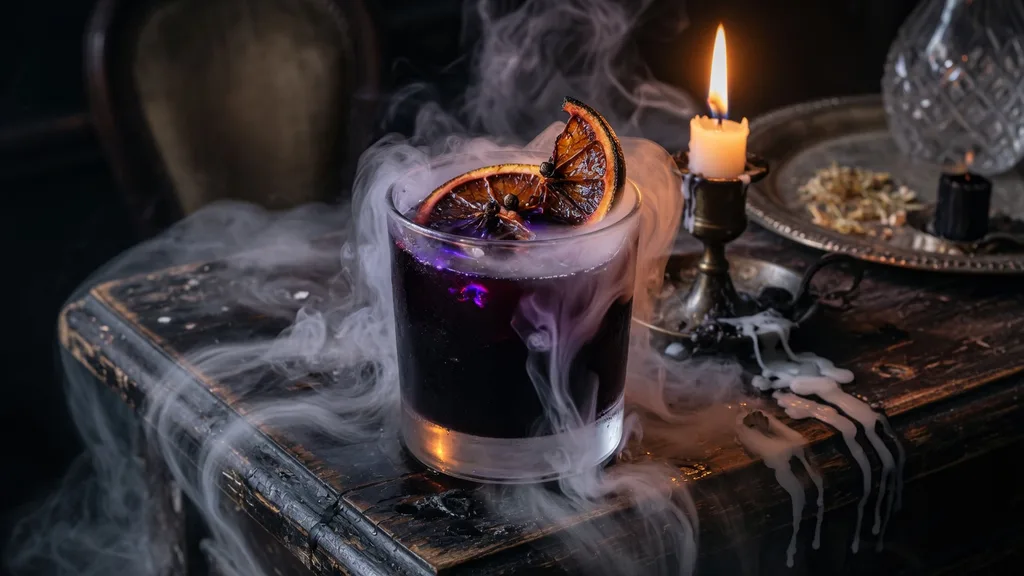
Cocktail naming has a few distinct traditions, and knowing them makes it easier to pick one that lands.
Technique and category. The oldest names are just the method of making: Sour, Fizz, Flip, Smash, Sling, Fix. These are utility names that bartenders still use because guests understand them. Add one adjective and you have a bar name with structure and clarity — "Rhubarb Smash", "Cardamom Fix".
The hero ingredient. Name the star. If the drink is built around a good mezcal, a rare liqueur, or a house-made shrub, surface it. "Hibiscus Sour" tells the guest exactly what they're signing up for. "Saffron Fizz" is specific enough to feel intentional rather than assembled.
Evocation and story. The most memorable names don't describe the drink — they create a feeling. "Last Word at Dusk." "Midnight in Havana." "Smoke & Mirrors." These names invite the guest into a scene. They're harder to pull off but they're what people photograph and recommend.
The bar's own language. Some of the best names come from inside: a neighbourhood reference, the founder's nickname, a detail from the building's history. This is where the keyword field earns its keep — type your bar's name, a local street, a founding year, and let the generator build from there.
Naming a Signature Drink — for a Bar, Menu, or Party
A signature drink needs a name that earns its place on the menu board. Here's how to build one.
Start with the drink, not the name. What does it taste like? What colour is it? What occasion does it serve? A drink built for autumn evenings wants different language than one made for brunch. Nail the brief before you reach for the words.
Narrow to two or three words. The best bar names are short. "Velvet Sting." "Rose & Ruin." "Cold Shoulder." Anything past four words is a menu caption, not a name. Cut until it hurts, then cut one more word.
Say it out loud. A name you can't pronounce confidently across a noisy bar is a name that will confuse servers and guests. "Rosewater Sour" flows. Something assembled from three hard consonants in a row does not.
Check for conflict. A quick search before you print the menus saves a reprint. Distinctive names are less likely to clash with existing trademarks than generic ones.
For parties: Pick a name that explains the drink's mood rather than its recipe. A Halloween gathering doesn't need a drink called "Blackberry Vodka Punch." It needs "The Midnight Rite." Same drink, different night.
Cocktail Names by Style
Use the style selector in the generator to steer the tone. Here's what each style targets and when to use it.
| Style | Feel | Example name |
|---|---|---|
| Classic & Elegant | Measured, timeless, proper bar vocabulary | Pale Fix, The Gilded Press |
| Tropical / Tiki | Sun-wrecked, salt-rimmed, hard to put down | Salt Tide, Sunken Reef |
| Edgy / Fun | Sharp, attitude-forward, a bit reckless | Raw Surge, Broken Sting |
| Romantic | Soft, sensory, candlelit-evening energy | Rosewater Kiss, Lavender Bloom |
| Spooky | Halloween-ready but sessionable year-round | Hollow Pact, Midnight Vigil |
Example Cocktail Names
These are the kinds of names the generator builds — grouped by style so you can feel the range before you use the tool above.
Classic & Elegant
- The Last Word
- Pale Fix
- The Gilded Press
- Velvet Buck
- Slow Daisy
- Black Sour
- First Fizz
- The Silver Sling
- Deep Smash
- Distant Club
- Noon Flip
- Old Stinger
Tropical / Tiki
- Salt Tide
- Sunken Reef
- Blue Hammock
- Harbour Squall
- Tidal Rum
- Lazy Cove
- Coral Drift
- Wild Shore
- Dusk Bay
- Barefoot Wave
- Storm Palapa
- Golden Lagoon
Edgy / Fun
- Raw Surge
- Broken Sting
- Wrecked Rush
- Neon Burn
- Hard Riot
- Twisted Nerve
- The Loose Flare
- Electric Jolt
- Split Edge
- Crooked Blast
- Reckless Kick
- Bent Crash
Romantic
- Rosewater Kiss
- Lavender Bloom
- Silk Promise
- Petal Blush
- Honey Glow
- Velvet Spell
- Soft Thorn
- Pearl Dew
- Tender Mist
- Lush Dream
- Flush Veil
- Sweet Sigh
Spooky
- Midnight Vigil
- Hollow Pact
- Phantom Bell
- The Ashen Rite
- Fog Wake
- Bone Hex
- Smoke Dirge
- Cursed Dusk
- Pale Shroud
- Shadow Séance
- Cold Elegy
- Raven Lantern
Tips for Writing Cocktail Names
- Anchor to one image. The strongest names give the guest a single clear picture — a colour, a place, a texture. "Coral Shore" lands. "Exotic Tropical Dream Drink" does not.
- Use tension. Pairs of opposites work: "Silk & Smoke", "Sweet Ruin", "Cold Kiss". The contrast creates intrigue without needing explanation.
- Match the glassware. A coupe earns a long, elegant name. A rocks glass can carry something short and punchy. A tiki mug wants something that sounds like a destination.
- Borrow from bar vocabulary. Sour, Smash, Fix, Fizz, Sling, Flip — these are honest words with texture. They date the drink in a good way and tell the guest what to expect structurally.
- Let the garnish suggest the name. A sprig of rosemary, a candied violet, a charred lemon — these are naming opportunities. A drink called "Rosemary & Rain" writes itself when the garnish is a rosemary sprig over a grey-blue drink.
- Avoid adjective stacking. "Dark Mysterious Smoky Autumn Cocktail" is six words of nothing. Pick one strong noun and one strong modifier and stop there.
The Language of the Bar Menu
Good bar menus do something subtle: they use names to tell a consistent story about the space. A hotel bar with a 1920s aesthetic has different naming conventions than a beachside shack or a Halloween pop-up. Once you find your bar's voice, the names follow a logic.
Classic hotel bar: Lean on proper bar vocabulary and a single elegant adjective. "The Silver Fix." "First Daisy." Keep it clean. The history of the building carries it.
Tropical / tiki: Place names and weather events. "Harbour Squall." "Sunken Reef." "Tidal Rum." The name should sound like something that happened to a sailor, not something assembled in a kitchen.
Neighbourhood bar: Concrete local references — a street, a neighbourhood, a local figure. This is where the keyword field does its best work. Type the street name and see what comes back.
Pop-up / event bar: Go thematic and lean into it. A New Year's Eve bar earns "Last Hour." A wedding cocktail hour earns "The Promise." A Halloween pop-up earns "The Hollow Pact." Name for the occasion, not for a permanent menu.
FAQ for Cocktail Name Generator
How do I name a signature cocktail?
Start with something specific to the drink — an ingredient, a colour, a feeling, or a story. The best bar names are concrete rather than generic: 'Rosewater Sour' tells you more than 'Pink Dream'. Use the keyword filter to build names around your chosen ingredient or bar concept, then let the style filter steer the mood.
What makes a good cocktail name?
Brevity and specificity. Two to four words, ideally with a sensory hook — something a guest can almost taste before they order. 'Smoke & Mirrors' is better than 'Mysterious Smoky Drink'. A great name also fits the glass it arrives in: a coupe demands something elegant; a tiki mug can take something playful.
Where can I use the Cocktail Name Generator?
Bar owners building a new menu, home bartenders naming a party punch, wedding planners drafting a signature drink for the reception, and content creators branding a drink series for social media all use it the same way — type a keyword, pick a style, and copy the names you like straight onto a menu board or invite.
Can I use these cocktail names on my menu?
Yes. The names generated here are original combinations — not trademarked phrases — and you can use them freely on a bar menu, event drinks list, or social post. If a name matches something already trademarked, that's coincidence, so do a quick search before printing.
How do bartenders typically name new drinks?
Usually from one of three directions: the hero ingredient ('Hibiscus Fizz'), the occasion or feeling the drink is built for ('Last Train Home'), or a piece of the bar's own story ('Founder's Sling'). This generator uses all three approaches depending on which style you pick.
What is the difference between Classic and Edgy cocktail styles?
Classic names read like something already on the menu at a decades-old hotel bar — measured, elegant, built around proper bar vocabulary (Sour, Fix, Daisy, Press). Edgy names lean harder: shorter, with harder consonants and a bit of attitude. Think 'Velvet Sting' versus 'Raw Surge'. Both can land on a menu — the difference is the room they belong in.
Where do cocktail names come from historically?
Early bar names followed strict technique vocabulary — Sour, Fizz, Sling — because guests needed to know what they were ordering. The shift toward evocative, story-driven names took off during Prohibition-era speakeasies, when drinks needed passwords and personalities as much as recipes. That layered history is why cocktail names still split between structural (Whiskey Sour) and atmospheric (Last Word) — and why this generator's styles pull from both traditions.
Can I type my bar's name or a theme into the generator?
Yes, that's the keyword field. Type anything — your bar's name, a key ingredient, a city, a season, a mood — and the generator will weave it into the output. 'Midnight' gives you names like 'Midnight Sour' and 'Midnight at Dusk'; 'rose' pulls in 'Rose & Ruin' and 'Rosewater Kiss'.