Gondor Name Generator — Númenórean & Sindarin Names

This Gondor name generator builds original names in the Númenórean and Sindarin tradition — the dignified, flowing names carried by the high-men of the White City. Pick a rank, a gender, and a name form. Generate as many as you need, and copy any result with a click.
👇 Click any name to copy it
Gondorian names have weight. Not the guttural snap of Dwarvish, not the wild consonant clusters of Rohirric — something older and more deliberate, shaped by millennia of contact with Elvish culture and the fading memory of Númenor. When you say a Gondorian name aloud, it should feel carved rather than spoken.
The generator reflects that. Noble lords, soldier-guards, Steward-line officials, and Ithilien rangers all draw from the same Sindarin root stock, but wear names with different weight and formality.
The Númenórean Tradition — Where Gondorian Names Come From
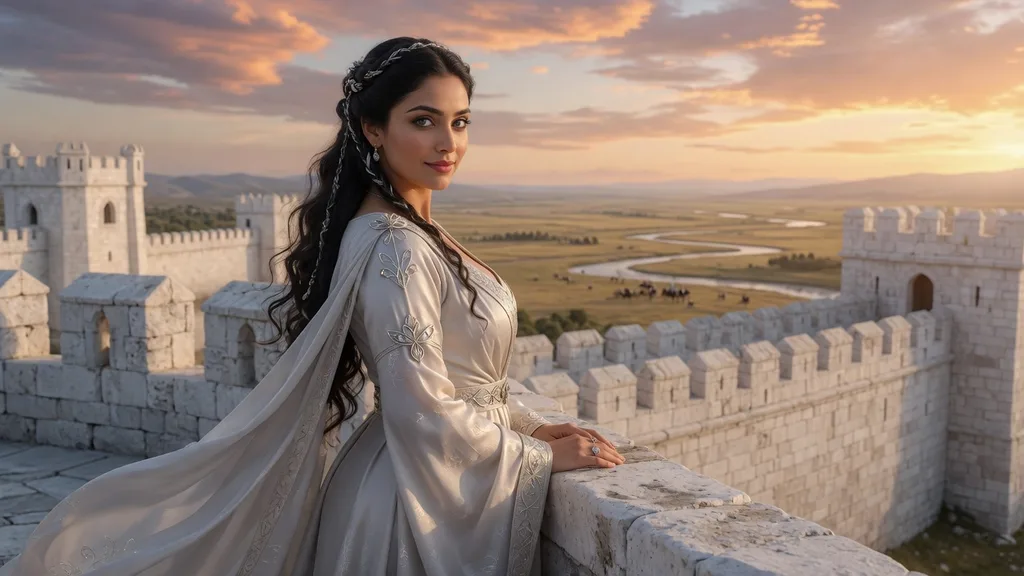
Gondor was founded by Isildur and Anárion, sons of Elendil — the last king of Númenor before the island kingdom drowned under the sea. The Númenóreans called themselves the Dúnedain, the Men of the West, and they traced their lineage back to Elros, the half-elven brother of Elrond who chose mortality.
That ancestry shaped everything, including names. Early Númenórean names leaned on an older tongue — Adûnaic — but the island's nobility favoured Quenya and Sindarin as marks of distinction, of closeness to the Eldar. By the time Gondor was established in Middle-earth, Sindarin had become the prestige naming language for the high families, the court, and the military hierarchy.
Gandalf, writing about the White City in the Third Age, would have found this completely predictable: Gondor was the last stronghold of Númenórean culture, and it defended that culture in stone, in ceremony, and in the names it gave its children.
Gondorian Naming Conventions
The phonetics follow Sindarin rules: liquid consonants (l, r, n), voiced stops (b, d, g), soft fricatives (th, ph), and vowel endings that fall naturally in speech. Stress typically lands on the penultimate syllable. A few patterns appear consistently:
- -ion — son of, or a masculine marker: Faradion, Tarondion
- -dil — friend, devotee: Arondil, Pelendil
- -ndur — servant, one who serves: Vorondur, Elendur
- -mir — jewel, treasure: Elekmir, Maedmir
- -orn — tree (noble ancestry connection): Galasorn, Caladorn
- -wen — maiden (feminine): Tiriel, Ithilwen
- -iel — daughter of (feminine): Nimriel, Peliel
These endings aren't decoration. In Tolkien's system, names carried meaning — the root told you something about the person or their ancestry. A name ending in -ndur implied service and fidelity; -dil implied friendship and loyalty; -ion implied lineage. This generator builds in that structure: the syllables combine meaningfully, not randomly.
Rank and Name Style in Gondorian Society
| Rank | Feel | Example |
|---|---|---|
| Noble / Lord | Stately, formal, carries family prestige | Eledirion, Tarondil |
| Soldier / Guard | Solid, functional, worn without flourish | Borondor, Nornmir |
| Steward-line | Administrative gravity, parchment-worthy | Anasondil, Cirendur |
| Ranger | Quiet, weathered, field-earned | Agaradan, Celaddor |
The rank matters when naming a character because Gondorian society was deeply hierarchical. A lord of Lossarnach and a Pelennor guardsman might both carry Sindarin names, but the lord's name was chosen generations ago for a hall inscription. The guardsman's name was given by parents who respected the tradition without performing it.
Rangers of Ithilien occupy a specific niche: technically soldiers, but often drawn from families with older lineages, sent into the field for years at a time. Their names are Sindarin but worn plainly — less architectural, more practical.
Name Forms — Given, Patronymic, and Epithet
Tolkien's Gondorian characters rarely appear with a single given name. Context supplied the rest: a lineage, a title, a descriptive epithet. The generator offers three forms:
- Given name only — clean and portable, fits any context
- Patronymic — appends "son of" or "daughter of" with a father's name, anchoring the character in a family line
- Epithet — adds a descriptive title ("the Steadfast", "of the Pelennor", "the Warden") for characters who have done something memorable
For a new character just arriving at the table or on the page, given-name-only works best. For someone with history — a veteran captain, a lord who survived a siege — the patronymic or epithet adds the right texture.
Example Gondor Names
Male Noble Names
- Eledirion
- Tarondil
- Maedirion
- Anardion
- Calithorn
- Pelendor
- Mitheondur
- Garadion
- Faralandil
- Ondirion
- Beronmir
- Selendur
- Quendirion
- Rovalmir
- Cirondil
Female Noble Names
- Nimriel
- Ithilwen
- Peliel
- Tariel
- Anardiel
- Mirelwen
- Ondiel
- Uialien
- Galadrien
- Luindiel
- Sirathel
- Cirawen
- Verilwen
- Wyniel
- Rianiel
Soldier and Ranger Names (Male)
- Borondor
- Nornmir
- Pelondrath
- Undirven
- Galadorn
- Forondmir
- Agaradan
- Celaddor
- Viramir
- Maeladorn
- Harnven
- Lornthel
- Ingoldmir
- Randelorn
- Eranmir
Steward-line Names
- Anasondil
- Cirendur
- Deneondil
- Elekethor
- Faranvorn
- Hirondion
- Moradirion
- Ondvorn
- Selindur
- Varondil
- Anarithon
- Peleddion
- Quirethor
- Tarondirion
- Zorendyrion
Using These Names in Your Campaign or Story
A Gondorian name does some work the moment you say it. The sound signals culture: ordered, old, connected to a tradition that outlasted Númenor. That association is useful whether your player character is a proud son of a great house or a ranger who abandoned court life for the forests of Ithilien.
A few practical notes for tabletop use:
- Keep patronymics for NPCs and recurring characters — they suggest depth without needing explanation
- Epithets work well for characters who have already done something in the story; earn them rather than starting with them
- Soldiers and guards can have shorter, snappier names — the long Sindarin names belong to the families who had scribes to write them down
- Female characters from noble houses often had the full Sindarin treatment; women from soldier families might carry simpler, shorter names
For names across all the peoples of Middle-earth — Elves, Rohirrim, Dúnedain, Hobbits, Dwarves, and more — the Lord of the Rings name generator covers eleven peoples and four eras.
Tips for Naming Gondorian Characters
- Say it aloud — Gondorian names have a specific rhythm. If it sounds wrong spoken, it's wrong on the page.
- Match the ending to the role — -ndur and -dil suggest loyalty and service, which suits stewards and paladins; -orn and -gorn suit warriors.
- Avoid short, punchy names for nobles — Gondorian lords don't have names you bark. They have names you announce.
- Use the patronymic for depth, not decoration — "son of Denethor" means something in Gondor; use that weight deliberately.
- Let the rank steer the feel — a Steward-line character and a Ranger both speak Sindarin, but one wears it like silk and the other wears it like wool.
- Female names can be warrior names too — Gondor had shield-women in the field. A female ranger doesn't need a softer name; -ven and -rant work as well for women as for men.
FAQ for Gondor Name Generator
What makes a Gondorian name different from other names in Tolkien's world?
Gondorian names draw on two traditions. The Númenórean high-men carried Adûnaic roots, but centuries of close contact with the Elves of Rivendell and Lothlórien gave Gondorian naming a strong Sindarin character. The result is flowing, dignified — syllables like -ion, -dil, -ndur, -mir — compared to the blunter sounds of Rohirric or the deep gutturals of Dwarvish. This generator builds names in exactly that vein.
Where do Gondor names come from in Tolkien's world?
They trace back to Númenor, the island kingdom of Elendil's ancestors, whose early names carried the older Adûnaic tongue before Sindarin became the prestige language of the nobility. By the time Isildur and Anárion founded Gondor, Sindarin had fully displaced Adûnaic in naming practice — a mark of how closely the high-men aligned themselves with the Eldar. This generator draws on that same Sindarin root stock, the syllables and endings documented above, to build names that read as authentically Gondorian.
Can I use these names for D&D, RPG campaigns, or fiction set in a Tolkien-inspired world?
Yes. The generator produces original compositions — no canon character names, no trademarked strings — so you can use them freely in tabletop campaigns, fan fiction, or original fantasy writing that draws on the noble Men of the West aesthetic. If you are writing inside Middle-earth itself, treat them as inspiration and adapt as needed.
What is the difference between a Noble name and a Steward-line name?
Both draw on Sindarin phonetics, but Steward-line names lean slightly more formal and administrative — the kind of name you find in seven-generation genealogies. Noble names trend toward martial elegance, the sort that gets engraved above a gate. Soldiers and Rangers share the same root language but wear their names with less ceremony.
Where can I use the Gondor name generator?
It's built for tabletop RPG characters, Tolkien-inspired short fiction, cosplay names, and worldbuilding notes for a homebrew Third Age campaign. Because every result is an original composition rather than a canon string, you're free to use it anywhere creative — the only limit is not selling anything under Tolkien's own protected names.
What does the 'son of' / 'daughter of' form add?
Tolkien's Men of Gondor often used patronymics — Denethor son of Ecthelion, Boromir son of Denethor. Selecting the patronymic form appends a father's name to your result, anchoring the character in a lineage. The epithet form adds a descriptive title instead: 'the Steadfast', 'of the Pelennor', 'the Warden'.
How do I pick a name that fits a noble lady of Gondor?
Select Female and Noble in the filters. Gondorian women's names carry the same Sindarin elegance as men's — soft endings like -iel, -wen, -meril, -riel — with a gentle musicality. For a lady of the Steward's household, choose Steward-line; for someone from a provincial noble family or a ranger background, adjust accordingly.
Is there a generator for other peoples of Middle-earth?
Yes — the Lord of the Rings name generator covers eleven peoples including Rohirrim, Dúnedain, Elves (Sindarin, Quenya, and Silvan), Hobbits, Dwarves, Ents, and Orcs. This Gondor generator focuses purely on the Men of the White City and their Númenórean heritage.