Goddess Name Generator

This goddess name generator builds original female deity names drawn from five mythological traditions — Greek, Norse, Egyptian, Celtic, and pure fantasy invention. Pick a style, pick a divine domain, and choose whether you want a bare name or the full title attached. Each result comes with a lore line and a domain badge, ready to drop into your worldbuilding, campaign, or novel.
👇 Click any name to copy it
A goddess name does two jobs at once: it tells you what she rules, and it tells you where she comes from. A Greek-flavoured name built on open vowels and -ia endings sounds nothing like a Norse one stacked on hard consonants. The right phonetic match anchors your deity in a world — and the right domain anchors her in the story.
Run as many batches as you need. Click any card to copy the name to your clipboard.
Goddess Naming Across Mythologies
Every major mythological tradition built its goddess names on distinct phonetic rules. Those rules aren't arbitrary — they reflect the sounds of the culture's spoken language, and they're what make a name feel at home in its tradition.
Greek. Greek goddess names cluster around open vowels, soft consonants, and characteristic endings: -ia, -ne, -ra, -ssa. They feel bright, often lyrical, and easy to say aloud. The names of real Greek goddesses — built on roots meaning light, beauty, moon, dawn — follow strict syllable patterns that this generator replicates in original form.
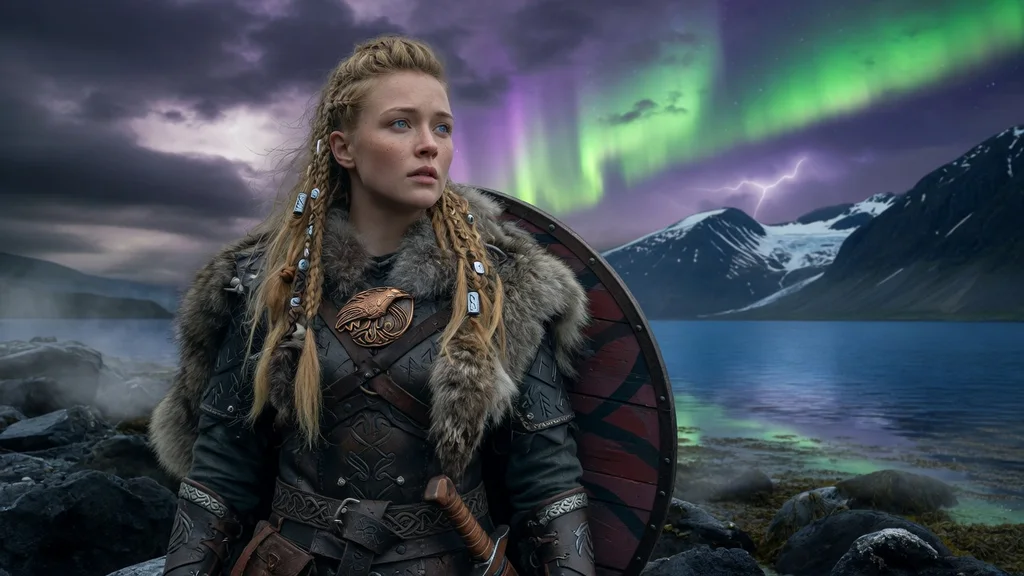
Norse. Old Norse names are uncompromising. They open with hard consonants, stack syllables bluntly, and close on -dis, -hild, -run, or -veig. There's no softening for elegance's sake. A Norse goddess name sounds like something you'd engrave on stone, not embroider on silk.
Egyptian. Egyptian divine names carry the weight of hieroglyphic script: hard k-sounds, resonant vowels, and the characteristic -et, -is, and -tet endings that mark feminine divine status. They feel ancient in a specific way — solar, deep-desert, carved-in-granite.
Celtic. Celtic goddess names are the most fluid of the four historical traditions. They slide between vowel sounds, close on -wen, -wyn, or -aine, and carry a nature-rooted quality — forest, river, moon, the turning of seasons. They sound like they belong outdoors.
Original / Fantasy. Not every campaign or novel needs a real-world anchor. The Original style builds names from invented but internally consistent phonetics — melodic, fitting for any fictional pantheon, and carrying none of the cultural weight of the historical traditions. Use this when you want a deity that belongs entirely to your world.
Divine Domains and What They Signal
A goddess's domain isn't just her job title. It shapes her personality, her relationships with mortals, and the register of her name. Below is a reference for the eight domains the generator covers and what each one implies for characterisation.
| Domain | Emotional register | Example name feel |
|---|---|---|
| Love | Longing, tenderness, desire, the pull between people | Soft, flowing syllables — Callireia, Eudaimia |
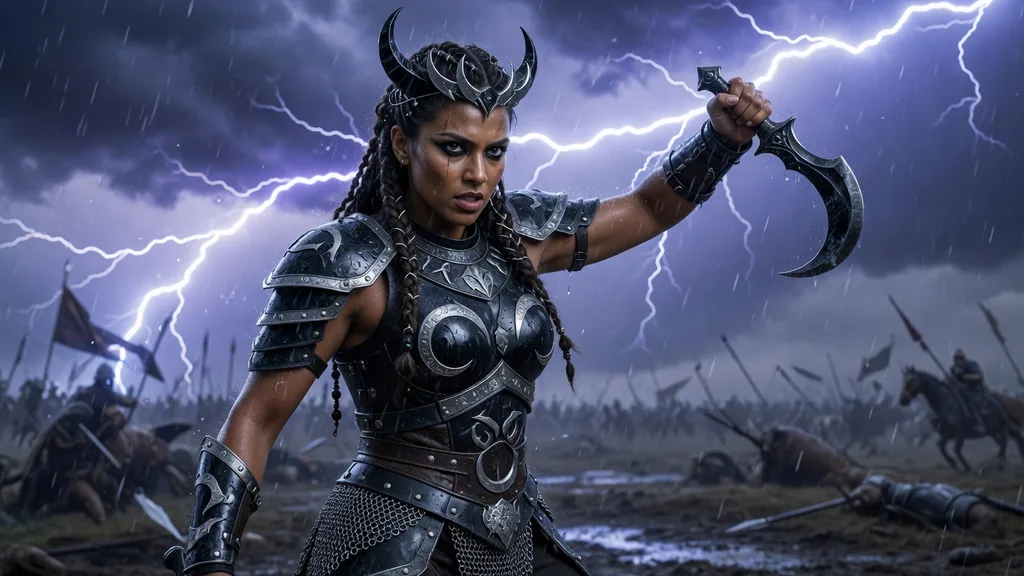
| War | Discipline, fury, strategy, the cost of victory | Sharp, hard-opening — Hildveig, Scathwyn |
| Wisdom | Counsel, law, the weight of knowing without acting | Measured, resonant — Alkimeneia, Maatre |
| Moon | Mystery, tides, dreams, cycles and transformation | Liquid, long vowels — Selenira, Notti |
| Nature | Growth, seasons, the patience of deep roots | Earthy, flowing — Flidhawyn, Ceridwen |
| Death | The crossing over, endings, mercy and inevitability | Low and resonant — Ragndis, Nepheris |
| Dawn | New beginnings, first light, hope that hasn't been tested yet | Bright, rising sounds — Aerireia, Renpet |
| Sea | Storm-swell, depth, the indifferent power of open water | Wide vowels, sibilants — Nereissa, Jordsif |
Building an Original Goddess for Fiction or D&D
A deity exists at the intersection of three things: what she rules, who worships her, and what she costs. A goddess of love is not just soft and romantic — she is also jealous, transactional, and capable of genuine cruelty when slighted. Build her from the domain outward.
Start with the domain's shadow. Every divine domain has a dark side. The moon goddess controls dreams — and nightmares. The dawn goddess brings hope — and the grief of watching it fail. A war goddess protects warriors — and demands sacrifice in blood. Writing the shadow gives your deity real weight.
Give her a myth. Not backstory — a myth. One formative event that shaped the divine persona. A wisdom goddess who was once deceived. A death goddess who lost someone she loved. A sea goddess who was bound by mortals and broke free. That single myth informs every interaction your characters will have with her.
Choose her phonetic register deliberately. A merciful death goddess in a Greek-style setting might have a soft name — open vowels, nothing harsh. A war goddess in a Norse-influenced world should have hard stops, compound syllables, consonant clusters. The name is the first piece of characterisation a player or reader receives. Make it do work.
For a parallel look at male deities — building a god, domain selection, lore — see the god name generator. Many campaigns run parallel pantheons, and the two generators use the same stylistic framework so their outputs sit naturally alongside each other.
Phonetic Style Reference
Use this table as a quick guide when choosing a pantheon style in the generator above.
| Style | Feel | Example |
|---|---|---|
| Greek | Vowel-rich, lyrical, -ia / -ne / -ra endings | Callireia, Asphodra, Selenissa |
| Norse | Hard consonants, compound, blunt and cold | Hildveig, Sigrdis, Ragnnÿ |
| Egyptian | Resonant -et and -is endings, ancient and solar | Neferet, Sekhmet, Renpis |
| Celtic | Flowing, nature-rooted, -wen / -aine / -yr endings | Flidhawyn, Brigheith, Scathira |
| Original / Fantasy | Invented, melodic — built for any pantheon | Vela, Haelyssa, Zyraune |
Example Goddess Names
These names were built with the generator — grouped by style to show how phonetic tradition shapes the result.
Greek-Style Goddess Names
- Callireia
- Asphodra
- Selenissa
- Thalimene
- Aeriphia
- Krysonthe
- Melanthea
- Nereissa
- Rhodomene
- Xanthelia
- Olympira
- Hesprenia
- Iphigena
- Daphnireia
- Brymodra
Norse-Style Goddess Names
- Hildveig
- Sigrdis
- Ragnnÿ
- Eirdis
- Gerdborg
- Brunhild
- Nortveig
- Yrgfrid
- Alvhlaug
- Solrun
- Thyrunn
- Mirkgerd
- Skadiveig
- Valborg
- Jordsif
Egyptian-Style Goddess Names
- Neferet
- Sekharis
- Renpis
- Maatretet
- Iaretkhet
- Bastheket
- Uadjetis
- Satiret
- Meretaru
- Heqetis
- Nephtyet
- Mutana
- Serqenyt
- Tefnutis
- Kheparet
Celtic-Style Goddess Names
- Brigheith
- Flidhawyn
- Scathira
- Morrigwyn
- Ceridwenn
- Ainegerd
- Ethnain
- Grianwyn
- Ingheanrn
- Nemainith
- Rosmertda
- Sidhlewyn
- Taillteann
- Lugheith
- Daghdain
Original / Fantasy Goddess Names
- Vela
- Haelyssa
- Zyraune
- Saelorael
- Nyriseth
- Phaereth
- Auriven
- Caelyssara
- Ithimene
- Rezael
- Orvethira
- Brethwyn
- Miryssael
- Daraela
- Faerune
FAQ for Goddess Name Generator
How do I pick a goddess name for D&D or a tabletop campaign?
Start with the domain — what does your deity rule? Then match the phonetic style to the pantheon's cultural flavour. A war goddess in a Greek-style setting reads differently from one in a Norse-rooted world. Use the Style and Domain filters to narrow the results, then run several batches until one name lands right.
What makes an original goddess name sound authentic?
The sounds do the work. Greek-inspired names lean on open vowels and -ia or -ne endings. Norse ones stack hard consonants. Egyptian names close on -et or -is. Celtic names flow with -wen, -wyn, and -aine. Match the phonetic tradition to the mythological atmosphere you want, and the name will sound at home in its pantheon.
Where can I use the goddess name generator?
It suits D&D pantheons and tabletop campaigns, fantasy novels, video game NPCs, and general worldbuilding notes. It's also a quick way to name a deity for a tarot deck, a short story, or a worldbuilding wiki entry. Because every result is an original invention, you can use it freely across any creative or commercial project.
Can I use these names in a published novel or game?
Yes. Every name the generator produces is original — invented from phonetic building blocks, not copied from real mythology or any intellectual property. They're yours to use in fiction, tabletop games, video games, or any creative project.
What is the difference between 'Name only' and 'Name + title'?
'Name only' gives you a clean name — useful when you want to assign your own domain later or keep the deity mysterious. 'Name + title' appends 'Goddess of ___', so each result arrives pre-packaged with her divine role. Both forms appear as cards you can click to copy.
Where do goddess names come from across different mythologies?
Historical goddess names weren't picked at random — they follow the phonetic patterns and sound-symbolism of the language and culture that produced them, from Greek's vowel-rich lyricism to Norse's blunt consonant stacks. Each tradition encodes its values into its sound: what feels beautiful, powerful, or sacred to that culture. This generator studies those same phonetic patterns and recombines them into new names, so the results feel like they could belong to a real pantheon without repeating one.
How many domains does the generator cover?
Eight: Love, War, Wisdom, Moon, Nature, Death, Dawn, and Sea. Each domain carries a short lore line so you can see the emotional register at a glance. Set Domain to 'Any' and the generator mixes freely across all eight.
Why avoid using real goddess names like Athena or Freya?
Real names belong to living religious traditions. Using Athena for a villain or Freya as a throwaway NPC can feel disrespectful, and it limits your creative ownership. Original names inspired by the same phonetic traditions give you the same atmosphere without the baggage.