Duergar Name Generator

This duergar name generator builds grim, guttural gray dwarf names — hard consonants, bleak clan titles, and the joyless weight of the Underdark baked into every result. Duergar don't name their children for hope or craft-pride. They name them for what the family does and what the tunnels demand.
👇 Click any name to copy it
Use the Gender filter to narrow to male or female pools. Set Name Form to Given + Clan to attach a clan title — useful when your character needs a full identity rather than a lone given name. The Tone filter shapes the phonetic feel: Warrior names are short and brutal, Slaver names run longer and more commanding, Artificer names carry a hard technical edge.
Hit Generate, adjust the count with the slider, and click any card to copy it. Each result comes with a lore note rooted in duergar culture — keep the note, ignore it, or use it as a campaign hook.
What Are Duergar?
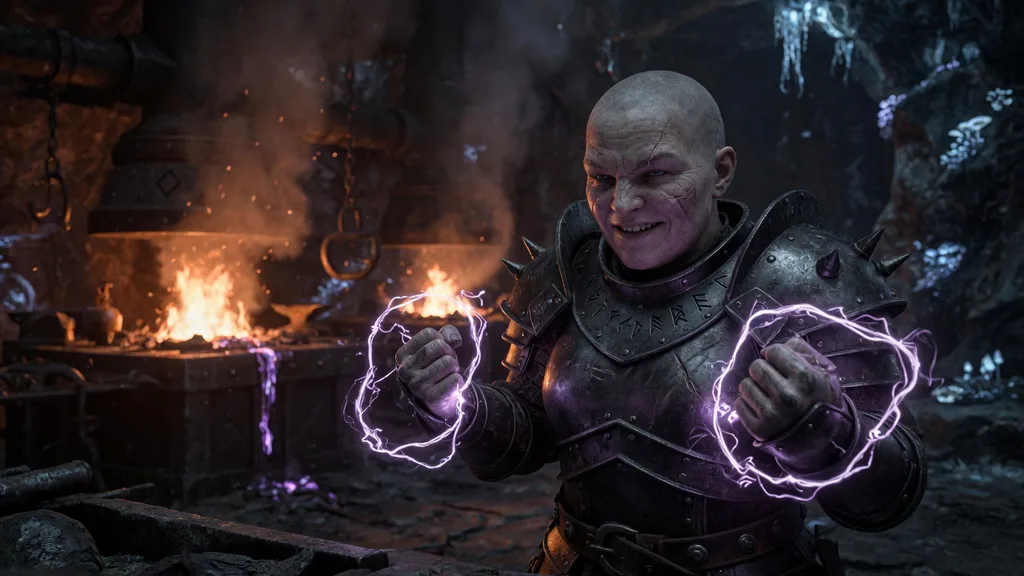
Duergar are dwarves who never came back from the dark. Thousands of years ago, deep-dwelling dwarf clans were captured by mind flayers and held in the Underdark for generations. The illithid experiments left marks: psionic ability, resistance to charm and illusion, and a psychology shaped entirely by captivity and survival in a lightless world where everything wants to eat you.
When the duergar eventually broke free, they didn't leave the deep — they claimed it. They built cities in the dark, ran slave economies, and developed a culture of cold efficiency that prizes strength, control, and pragmatism over sentiment. They distrust surface dwarves and are openly hostile to most races. The feeling is usually mutual.
In D&D 5e, duergar are a playable subrace with innate psionic spells (Enlarge/Reduce and Invisibility), advantage on saves against illusion and charm, and resistance to poison. They also have sunlight sensitivity, which is the trade-off for being built for the dark. Mechanically and narratively, they reward players who want to play characters with a hard edge and a complicated moral position.
How Duergar Names Work
Surface dwarves name children for tradition, craft lineage, or a hoped-for trait. Duergar don't have room for hope. Names in gray dwarf culture are functional: short, memorable, and hard to confuse when someone is shouting orders in a tunnel full of noise. They favor hard stops — K, G, D, B — and guttural consonant clusters that carry even through stone walls. Vowels exist but don't linger.
Clan names tell a different story. Where surface clans use names like Ironbeard or Goldmantle — pointing at craft or wealth — duergar clan names tend toward what the family controls or what it has done. Grimstone owns a vein. Vaultbreaker earned a reputation on a raid. Ashvein runs the scorched tunnels nobody else can hold. The name is a record, not a boast.
If you're building a duergar character for a campaign, the clan name matters more than it might for a surface race. It tells other duergar NPCs exactly where you come from and what leverage they have. Use it.
Naming by Tone: Warrior, Slaver, Artificer
Duergar society runs on three pillars: force, control, and production. The tone filter in this generator maps directly to those roles. Here's how they break down:
| Tone | Feel | Example |
|---|---|---|
| Warrior | Short, blunt, brutal — built for quick identification in combat. No syllable wasted. | Grond Grimstone, Vurk Ashpick, Thrak Cragmaw |
| Slaver | Longer, commanding — names that carry authority in a market or a chain-room. Cold efficiency. | Kazrul Darkforge, Thyrvil Duskmantle, Murzan Ironblight |
| Artificer | Technical edge — grim but precise, suited to someone who builds traps or maintains the deep forges. | Drokath Ironvein, Vritha Obsidianfist, Thurvin Vaultbreaker |
Warrior names fit fighters, barbarians, or any character whose primary answer to a problem is a war pick. Slaver names work for warlocks, rogues, and characters who manipulate rather than bludgeon. Artificer names suit wizards, artificers, and anyone whose duergar identity is built around making things — usually things that hurt people.
Duergar vs. Surface Dwarf Names
The gap between duergar and surface dwarf names is easy to hear once you know to listen. Compare a name from our dwarf name generator — Thrain, Harbek, Dagna — with duergar equivalents: Thrak, Murk, Droga. Both share the hard consonant base. But the duergar names shed the last syllable, the softening vowel, the extra beat that makes a surface name feel lived-in and warm. Duergar names are compressed. The warmth got left in the sun.
The dwarven name generator covers all three subraces — hill, mountain, and duergar — if you want a direct comparison. This generator goes deeper on the gray dwarf side: more name pools, tone differentiation, and lore notes specific to Underdark culture rather than generic dwarf flavor.
Tips for Naming Your Duergar Character
- Match tone to class. Warrior names for martial builds. Slaver for control-heavy. Artificer for spellcasters and crafters. The phonetics already suggest the character without a word of backstory.
- Use the clan name as a hook. Clans like Vaultbreaker or Deepbrand invite DM questions. What vault? What brand marks the captives? Give your DM material and you'll get better sessions.
- Say it aloud. Duergar names should feel rough in the mouth. If it flows smoothly, add a harder consonant or clip the last syllable.
- Keep it short for Warrior characters. Two syllables is fine. Three is pushing it. Four syllables belong in a throne room, not a tunnel fight.
- Avoid the surface dwarf trap. If your name sounds cozy or warm, it's a surface name. Duergar names should feel like grit between teeth.
- Consider going without a clan. A duergar outcast or exile might carry only a given name — or use a clan name they've cut ties with as a deliberate irony.
Example Duergar Names
Male Duergar Names
- Grond
- Vurk
- Thrak
- Durg
- Krag
- Kazrul
- Thuvak
- Murzan
- Drokath
- Thurvin
Female Duergar Names
- Grakh
- Zurda
- Thrika
- Malvra
- Zurketh
- Thyrvil
- Vritha
- Thrukda
- Grimvex
- Kolveth
Duergar Clan Names
- Grimstone
- Darkforge
- Ironvein
- Ashpick
- Obsidianfist
- Cragmaw
- Vaultbreaker
- Duskmantle
- Ironblight
- Deepbrand
Using Duergar Names in a Campaign
Duergar NPCs hit harder when they have names that fit their role. A slaver overseer named Kazrul Duskmantle reads immediately as someone who has been doing this for decades and takes no pleasure in the inefficiency of resistance. An artificer named Drokath Ironvein is the one who designed the pressure traps in the third tunnel. These names carry context.
For player characters, the name works best when it creates mild friction with the surface world. A name like Thurvin Vaultbreaker is not one that blends in at a human inn. That friction is useful — it reminds the table what your character is, where they're from, and why the locals are watching them from the corner of the room.
Duergar campaigns or one-shots benefit from distinct names across the party. Use the tone filter to give each character a phonetically different identity — it helps players and DMs track who is who when everyone is underground, in the dark, and yelling.
FAQ for Duergar Name Generator
What are duergar?
Duergar — also called gray dwarves — are a subrace of dwarves who live deep in the Underdark. Corrupted by centuries of enslavement under mind flayers, they emerged as a grim, psionic people who built a slaver culture in the lightless tunnels beneath the surface world. In D&D 5e, duergar have innate psionic abilities: they can enlarge themselves, turn invisible, and resist charm and illusion effects.
How are duergar names different from regular dwarf names?
Duergar names cut harder. Surface dwarves use names that can carry warmth or craft-pride; duergar strip that out. The sounds are shorter, more guttural, and heavier on hard consonants — K, G, Th, Gr, Dr, Vr. Clan names lean toward bleak imagery: Grimstone, Ashvein, Ironblight. There is no room for softness in a name chosen in the dark.
Where can I use the Duergar Name Generator?
It's built for D&D 5e Underdark campaigns — naming a duergar player character, a slaver NPC running an Underdark outpost, or a whole clan roster for a gray dwarf settlement. The tone filters make it quick to put together a consistent set of names for an entire duergar warband or trading post in one sitting.
Can I use these names for D&D 5e?
Yes. The generator is designed for D&D 5e duergar: the tone filters map to common character roles (warrior, slaver overseer, forge artificer), and the clan names fit the Underdark setting. All names are original — not lifted from sourcebooks — but phonetically consistent with how gray dwarf naming works in official lore.
What do duergar clan names mean?
Duergar clan names describe function, place, or reputation. Grimstone marks a clan from a particular vein or siege; Darkforge means the family that runs the deep furnaces; Vaultbreaker is a reputation earned and kept. Surface dwarves name clans for pride; duergar name clans for what the family is willing to do.
What makes a duergar name authentic?
An authentic duergar name strips out the warmth surface dwarf names carry — short, guttural, built around hard consonants like K, G, and Th, with clan names that describe function or reputation rather than pride. That harder edge reflects centuries of illithid captivity and Underdark survival, and it's the baseline this generator's phonetics are built from.
Do female duergar have different names?
The sounds shift slightly — female names often end in open vowels or softer stops (Zurda, Vritha, Thyrvil) compared to the blunter male forms (Grond, Vurk, Thurvin) — but the overall hardness stays the same. Gender doesn't soften a duergar name. The Underdark doesn't care.
How do I pick the right tone for my duergar character?
Match the tone to the character's role. Warrior names are blunt and short — built for a fighter or barbarian who does the hitting. Slaver names run slightly longer and more commanding — right for a rogue, warlock, or any character who controls rather than bludgeons. Artificer names have a technical edge — ideal for a duergar wizard, artificer, or someone who builds rather than breaks.