Warhammer 40K Name Generator — Grimdark Names

This w40k name generator builds original grimdark names tuned to the factions of the 41st Millennium — gothic High Imperial names for Space Marines and Inquisitors, brutal Ork phonetics, flowing Aeldari syllables, and the corrupted dark cadence of Chaos. Pick a faction, set the form, and generate as many names as you need for your army, campaign, or fiction.
👇 Click any name to copy it
Each result comes tagged with a faction label and a short grimdark note — the kind of one-line biography an Administratum scribe might scratch into a casualty ledger, or an Inquisitor might whisper as a threat. The rank/title form adds a military or cult designation beside the name. This Warhammer 40K name generator keeps every faction's phonetics separate, so results never blur into a generic sci-fi mush.
Generate again freely. Copy any card with a click. The names are original — built from phonetic building blocks in the style of the setting, not extracted from Games Workshop publications.
How Warhammer 40K Names Sound — Faction by Faction
The 41st Millennium spans thousands of worlds and dozens of intelligent species. Each faction has its own naming tradition, shaped by millennia of warfare, religion, and cultural isolation. A name is never just a label in this setting — it carries faction allegiance, social rank, and the weight of ten thousand years of unbroken conflict.
High Gothic Imperial Names (Space Marines, Inquisition, Imperial Guard)
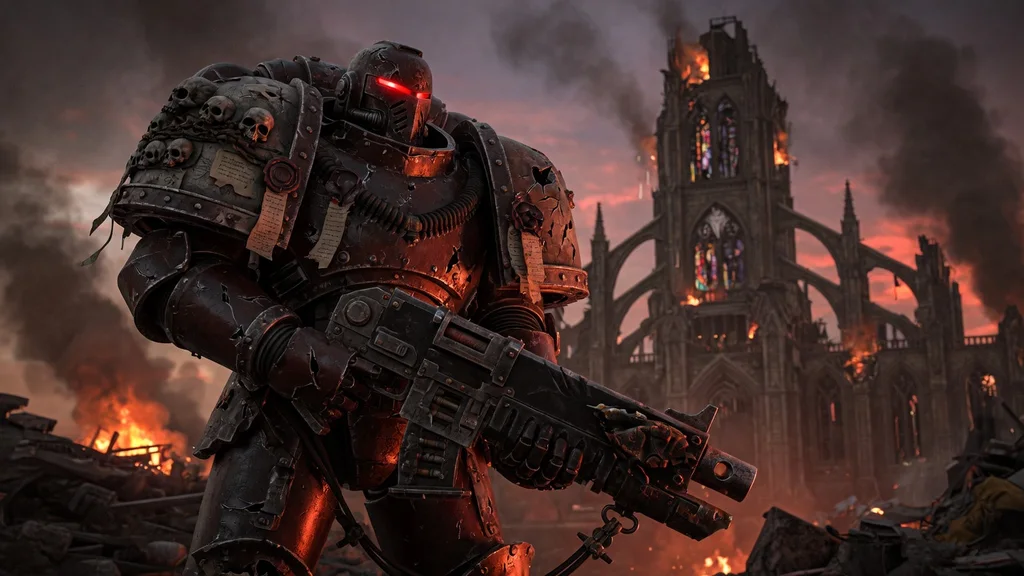
The Imperium of Man draws its naming conventions from ancient Terra's ecclesiastical and military traditions. The dominant influence is church Latin — heavy consonants, formal suffixes (-us, -ax, -ius, -an), names that sound like they were chosen to be read aloud at a funeral mass. Space Marine names carry the most weight: these are warriors who have shed their birth identities and received new designations from their Chapter's traditions.
A Space Marine name has to sound like it belongs on a tomb slab. Aldricanus. Veyranoth. Corvael. One or two syllables of solid consonant, then a heavy Latin-ish tail that plants the name in place. Imperial Guard names share the same roots but sound more worn — less ceremonial, more like something a sergeant would use.
Inquisition Names
Inquisitors draw from the same Imperial pool but often carry additional titles — Ordo designations, ranks, epithets earned through decades of holy work. The name alone is usually formal and Latin-weighted; the full title is what introduces them as someone the room should fear. An Inquisitor named Seranthus is a person. An Inquisitor named Seranthus of the Ordo Malleus, Throne Agent, Purifier of the Verix Subsector is a catastrophe with paperwork.
Ork Names
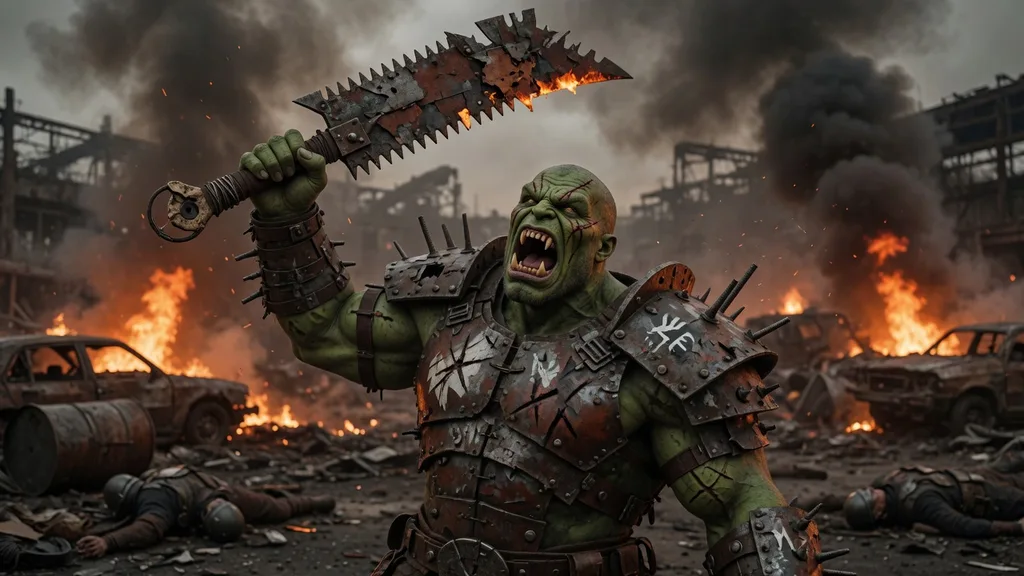
Orks don't have naming ceremonies. They have fights. A name that sticks is one the mob decides fits — usually because the Ork in question did something impressive, survived something unsurvivable, or is simply the largest object in the vicinity. The phonetics are blunt and aggressive: short bursts, hard stops, guttural vowels. Grukfang. Skragbash. Morkagorekrump. The name tells you immediately what this Ork considers important about himself.
Honorifics accumulate. An Ork who has broken enough skulls earns descriptors: "da Big", "Bonecruncher", "Ironjaw". The full name of a notable Warboss can be four words of concentrated violence, each one earned separately.
Eldar / Aeldari Names
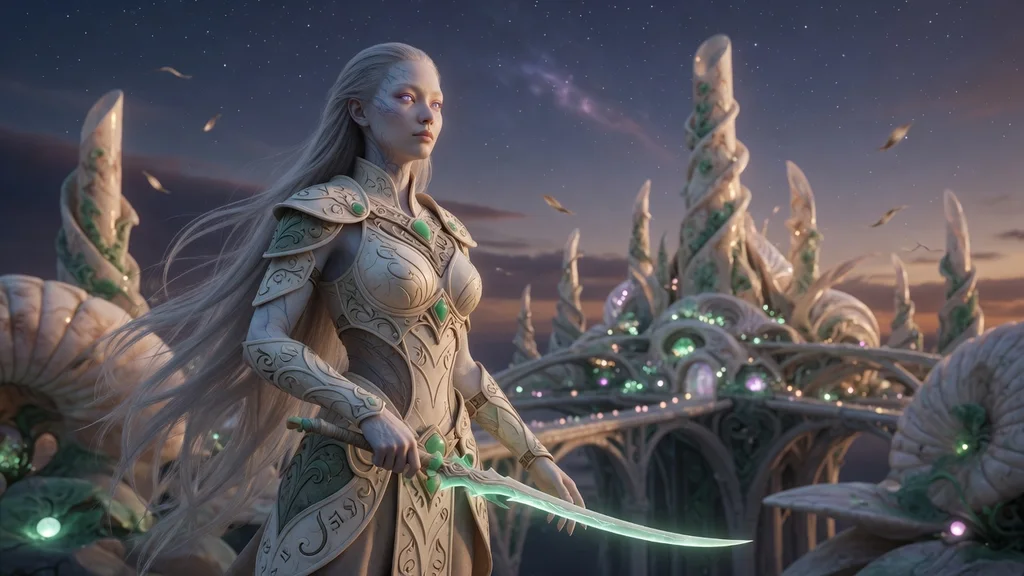
The Aeldari are ancient. Their civilisation predates the Imperium by millennia, and their names reflect it — flowing syllables, melodic cadences, soft consonants that feel alien against the harsh gutturals of every other faction: Kaelaieth. Raaenith. Vaelorael. For the full picture — Craftworld Path system, Drukhari, Harlequin, Exodite and Corsair naming, plus a dedicated generator with a Craftworld-origin filter — see the Aeldari name generator.
Chaos Names
Many Chaos Space Marines were once loyal Astartes. Their names started in the same High Gothic tradition as their loyalist counterparts. What the Warp does to a name over centuries of corruption is unpredictable: sometimes the original form survives, darkened; sometimes it transforms into something harder and stranger. Malvhoreth. Kothrix the Unbound. Zharexan Voidbringer.
The best Chaos names feel like they've been through something. A slight wrongness in the phonetics, an epithet that suggests something the name's owner has done that cannot be undone. The dark gods favour names that carry their own weight.
Warhammer 40K Naming by Faction — Quick Reference
| Faction | Sound | Example |
|---|---|---|
| Space Marine | Gothic Latin, ceremonial, heavy suffixes | Corvaelius, Brenaran, Thaeronius |
| Imperial Guard | High Gothic, rougher, mortal-register | Edricax, Warrickus, Joran |
| Inquisition | Formal High Gothic + ordo epithet | Severius, Kaelanor, Quinthan |
| Ork | Brutal, guttural, compound violence-phonetics | Grukbash, Skarrkrump, Vrakgoregul |
| Eldar / Aeldari | Flowing, melodic, ancient alien | Kaelaieth, Raaenith, Vaelorael |
| Chaos | Corrupted High Gothic, warp-darkened epithets | Malvhoreth, Kothrix, Zharexan |
Naming for Tabletop, RPG, and Fiction
The use cases differ enough that it's worth addressing them separately.
Tabletop army commanders need names they can say aloud across a table without stumbling. One strong syllable and a clean ending beats a six-syllable construction that trips up every time someone tries to use it in the heat of a turn. Pick a name and see how it sounds spoken, not just written.
RPG characters (in games like Wrath & Glory or Only War) benefit from names that fit the regiment or Chapter background. An Imperial Guard soldier from a Death World regiment will have a different naming register than a Hive city conscript. The rank form in this generator gives you both name and designation — useful when you need the full NPC introduction ready.
Fiction writers need names that are readable but stay true to the setting's tone. The reader should be able to scan the name, absorb its faction signal, and move on. Names that require three attempts to parse slow prose down. Aim for recognisable faction phonetics without excessive length.
Tips for Choosing a 40K Name
- Match faction phonetics. A flowing Aeldari name on a Space Marine character breaks immersion. The sound should immediately signal where this person comes from.
- Say it aloud. If you can't say it at speed across a game table, shorten it. The setting's names land hard and fast, not awkwardly.
- Consider the weight. An Ork name should feel like something physical. An Inquisitor's name should feel like something you'd rather not have directed at you.
- Use the rank/title form. In 40K, who a warrior is matters less than what rank they hold. The full designation — name plus rank — is how the setting's characters actually introduce themselves.
- Let the lore note guide you. Each generated name comes with a one-line character sketch. Treat it as a starting point, not a constraint.
Example Warhammer 40K Names
Space Marine Names
- Aldricanus
- Corvaelius
- Thaeronius
- Brenaran
- Garmox
- Ferrusian
- Leonisar
- Caelumor
- Othmarix
- Veyranoth
- Quinthan
- Warrickus
- Severiel
- Drakosen
- Ulricoth
Imperial Guard Names
- Edricax
- Joranis
- Brennar
- Petrickan
- Ignacan
- Navarox
- Castorian
- Hadrixen
- Fenricor
- Xanthos
- Baltharan
- Zephyrian
- Garvinus
- Revalen
- Hectaran
Inquisition Names
- Kaelanor
- Marcellius
- Theronax
- Quintivus
- Severthan
- Aldricen
- Corvixan
- Fermaxius
- Elarakira
- Petraven
Ork Names
- Grukfang
- Skarrkrump
- Morkagoregul
- Vrakbash
- Grunn da Big
- Thrakbludgeon
- Drokkstomp
- Skullkrakzag
- Grimtuskork
- Wazzoksmash
Eldar / Aeldari Names
- Kaelaieth
- Raaenith
- Vaelorael
- Daniel
- Thalaeth
- Aelinar
- Farethiel
- Maelinen
- Selalia
- Ulathael
- Wyranith
- Xeluria
- Yrielar
- Zarethis
- Phael
Chaos Names
- Malvhoreth
- Kothrix the Unbound
- Zharexan Voidbringer
- Vexoros
- Mordethan
- Xoreth the Flayed
- Rethan Bloodcaller
- Draketh
- Havjeth
- Gornak Chaosspawn
- Izaluk
- Mavoris
FAQ for Warhammer 40K Name Generator
What makes a good Warhammer 40K name?
The best 40K names carry weight — they sound like they belong in a universe defined by perpetual war and religious extremism. Imperial human names draw on gothic Latin roots: heavy consonants, Latin suffixes (-us, -ax, -ius), the feel of church Latin crossed with a military registry. Ork names are blunt and aggressive. Eldar names flow with soft syllables and ancient vowels. Match the sound to the faction and you're most of the way there.
How are Space Marine names different from Imperial Guard names?
Both draw from the same High Gothic pool, but the register differs. Space Marine names tend toward formal, almost ceremonial weight — names that sound like they belong carved above a chapel door. Imperial Guard names are rougher, more mortal-sounding, the kind a drill sergeant barks across a parade ground. The distinction is tone and gravity, not a separate naming system.
Where can I use the Warhammer 40K name generator?
Anywhere the 41st Millennium needs a fresh name — army rosters, Wrath & Glory or Only War characters, fan fiction, or a grimdark online handle. Every result is an original phonetic combination rather than something lifted from Games Workshop material, so there's nothing to clear before you use it.
How do Ork names work in the 40K setting?
Ork names are earned, not given — they come from deeds, scars, and the opinion of the mob. They're phonetically aggressive: hard stops, guttural vowels, occasional honorifics like 'da Big' or compound descriptors like 'Bonecruncher'. An Ork with a long name is either very impressive or very lucky to have survived long enough to accumulate syllables.
What are Eldar (Aeldari) names like?
Eldar names are ancient, flowing, and built on a melodic alien phonetics that feels nothing like the Imperial gothic tradition. Soft consonants, trailing syllables (-iel, -ath, -aer), a sense of something patient and very old. In tabletop play they appear in Path system names and Path titles together. For Craftworld, Drukhari, Harlequin, Exodite and Corsair naming in depth, use the dedicated Aeldari name generator on this site.
What makes Warhammer 40K names sound different from generic sci-fi names?
Each faction draws from its own real-world linguistic root instead of one shared sci-fi pool — church Latin for the Imperium, guttural compounds for Orks, flowing alien vowels for the Aeldari. That per-faction split is how the setting's own naming actually works, and it's why this generator keeps the pools separate instead of blending them into interchangeable noise.
Can I use these names for Warhammer 40K tabletop play or fiction?
These names are original — generated from phonetic building blocks in the style of the setting, not pulled from Games Workshop publications. Use them freely for your own characters, armies, campaigns, or fiction. They won't match canon characters because they were built to avoid that. That's the point.
What do Chaos names sound like compared to Imperial names?
Chaos names start in the same High Gothic tradition — many Chaos Space Marines were once loyal Astartes — but corruption warps the phonetics. Harder, darker endings, occasional warp-derived epithets (the Flayed, Voidbringer), a sense that the name has been chewed on by something from the immaterium. A Chaos lord's name should feel like a threat carved in old bone.