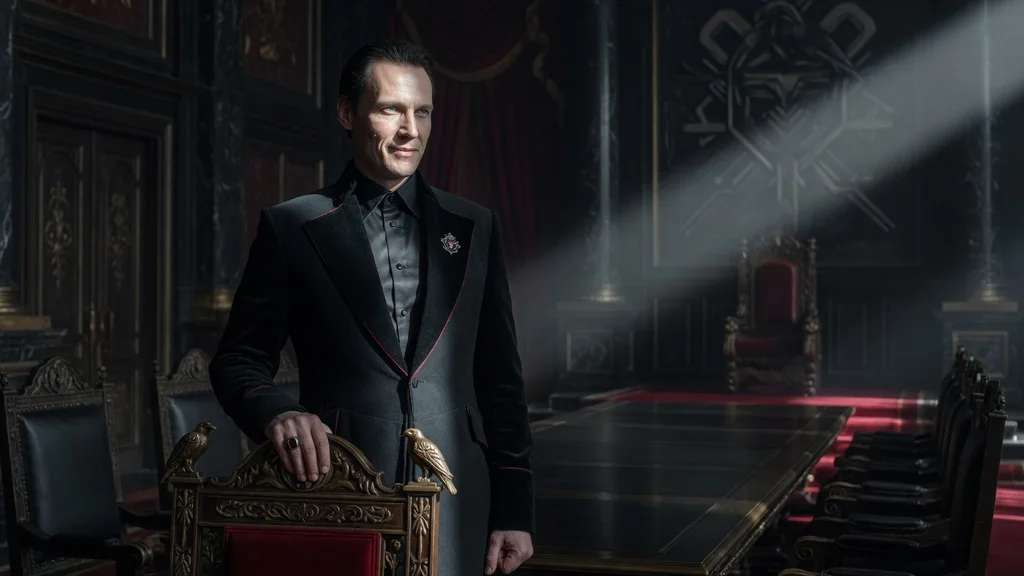
Mafia Name Generator

This mafia name generator builds a full family identity, not just a tough-sounding label: a heritage given name, a surname that places your character in a tradition, and — where the role calls for it — a nickname with a reason attached. Pick an origin, set a rank in the family, and roll.
👇 Click any name to copy it
Organized crime runs on hierarchy. A boss and a soldier don't earn the same kind of name, don't carry the same kind of reputation, and shouldn't sound interchangeable on the page. That's the gap most mafia name generators leave open — they'll give you a first name, a nickname in quotes, and a surname, and call it done, with no sense of where that person actually sits in the family.
This one asks two questions most don't: where does this family come from, and what does this person actually do in it? A Sicilian consigliere and a Russian soldier should read as two entirely different people — and here, they do.
That's not a small distinction. Rank determines how a character talks, how much violence they're personally allowed to touch, and how their name gets said in a room. A boss's name is spoken carefully. A soldier's gets shouted across a card table. Building that difference into the generator itself means you get a usable character on the first roll, not a name you have to reverse-engineer a backstory for.
How to Use This Mafia Name Generator
Origin sets the heritage pool for given names and surnames — Italian-American, Sicilian, Irish, Russian, or Mexican cartel. Each draws from its own list, not a shared pool with a different accent painted on. Role in family sets the rank, from boss down to associate, which changes which nickname pool the generator pulls from — a boss earns a different kind of name than a soldier does.
Set gender, then choose a name form: the full three-part treatment ("Vincenzo "The Judge" Marchetti"), name plus family surname only, or the nickname on its own with the reason it stuck. Drag the slider for how many to generate, hit Generate, and click any card to copy it.
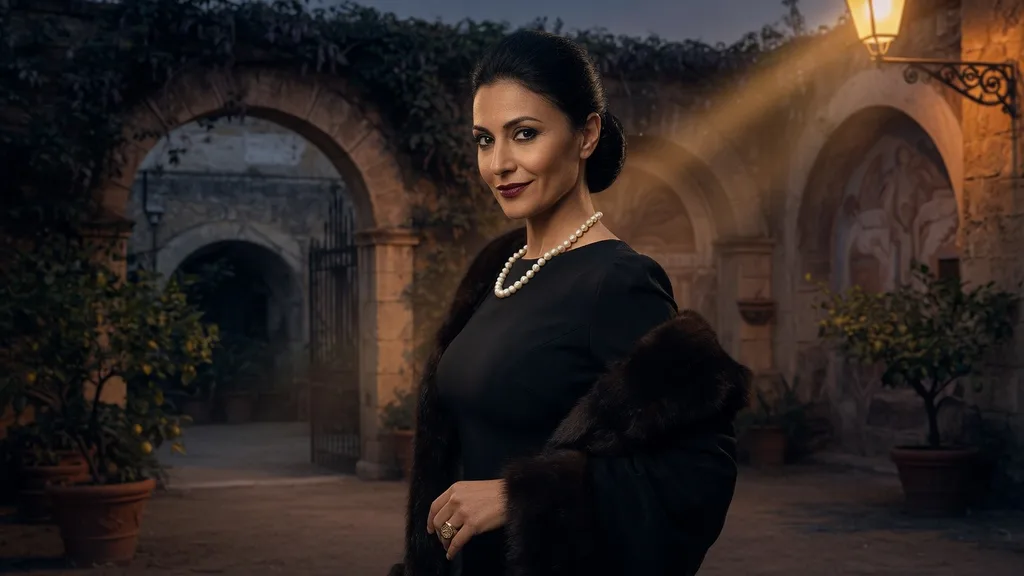
Mafia Names vs. Gangster Names — What's the Difference
"Mafia" and "gangster" get used as synonyms online, but the traditions they name aren't the same, and neither should the generators be. Our gangster name generator is built around era and street style: Classic Mob, Prohibition-era bootleggers, Modern Street handles, or a Comedic setting, with the surname pool weighted by decade. It's the right tool for a 1920s speakeasy scene, a Prohibition bootlegging plot, or a fast, modern street handle.
This mafia name generator is built around family structure instead. Real organized crime — Cosa Nostra, the Irish mob, the Russian bratva, a cartel plaza — runs on rank. A boss doesn't behave like a soldier, doesn't get named like one, and shouldn't read like one on the page. That's why the filters here are origin and role, not decade and tone. Reach for this generator when you need a specific place in a hierarchy — a consigliere whispering advice, a capo running a crew, a soldier making his bones. Reach for Gangster when you need era-flavored street cred instead.
Mafia Naming Conventions — How Family Names Actually Work
A convincing mafia name isn't random. It follows the sound and structure of a real naming tradition, then adds the layer that's unique to organized crime: a nickname that was given, not chosen. Here's how each origin pool in the generator is built.
Italian-American
This is the tradition most people picture first — East Coast and Midwest families built by immigrants and their American-born children through the twentieth century. Given names lean classic Italian-American (Tony, Sal, Carmine, Angela, Rosa) rather than modern Italian ones, and surnames carry the sound of southern Italy filtered through generations in American cities: Marchetti, Esposito, Vitale, Sorrentino. Two generations of assimilation gave this pool its particular texture — names formal enough for a courtroom, casual enough for a social club, never quite either.
Sicilian
Cosa Nostra's home turf sounds different from its American export. The given names here run older and more village-rooted — Calogero, Turi, Rosario, Concettina — and the surnames carry a weight of place: names tied to towns, land, and the omertà culture that predates the American mafia by generations. This pool reads more old-world and formal than the Italian-American one on purpose. If your story is set in Palermo rather than Brooklyn, this is the pool that should carry it — the given names alone signal a generation and a coastline the American pool doesn't reach.
Irish
The Irish-American mob ran parallel territory to the Italian families for most of the twentieth century — the docks, the unions, whole neighborhoods run on loyalty and muscle instead of blood ties alone. Given names (Sean, Liam, Brigid, Maeve) and surnames (Callahan, Maguire, Rafferty) pull from Irish-American naming stock, distinct from both Italian pools. Where the Italian families organized around blood, the Irish gangs of this tradition organized around the neighborhood itself — and the names carry that parish-and-pub texture instead of a villa-and-vineyard one.
Russian
Bratva structure is famously rigid — rank is earned through prison hierarchy as often as through the street, and a name can carry a coded history in the tattoos that go with it. The given names (Viktor, Dmitri, Yekaterina) and surnames (Volkov, Sorokin, Morozov) reflect that Slavic naming tradition, with a harder, more clipped sound than the Italian pools. It's a newer organized-crime tradition on Western soil than the Italian or Irish ones, and the names should read that way — less nostalgic, more clinical.
Mexican Cartel
Modern cartel structure is organized around trade routes and plazas rather than old-country neighborhoods, and its naming culture reflects a different, more contemporary organized-crime tradition. Given names (Rafael, Emiliano, Guadalupe) and surnames (Villalobos, Reyes, Mendoza) are drawn from that pool — used here for original characters, not real trafficking organizations or real individuals. Of the five pools, this is the one most likely to describe a present-day setting rather than a period piece, so lean into modern details — phones, border logistics, cash businesses used as fronts — when you build the scene around the name.
How Mafia Nicknames Are Earned
A mob nickname is never self-applied. It's handed down by people who already outrank you, usually after one specific moment, and once it's used to your face by the wrong person, there's no walking it back. Across every origin pool and every rank, the logic behind a nickname tends to fall into one of three patterns.
- A physical trait or habit. A scar, a build, a way of standing in a doorway. The body becomes shorthand — "Ironjaw" doesn't need explaining twice.
- A method or reputation. "The Collector" doesn't necessarily collect anything specific; it describes reliability under pressure. This is the pattern that scales with rank — the higher up the chain, the more the nickname describes function over incident.
- Irony. "Lucky" for someone who keeps surviving what should have killed him. "The Kid" for the youngest made man in the room, said by people twice his age. The gap between the name and the reality is the point, and everyone who repeats it is in on the joke.
Rank changes which pattern dominates. Soldiers and associates tend to get the physical or ironic nicknames — the colorful ones, earned in a single incident that got repeated at the next family dinner. Capos and above tend toward function and title, because by the time someone's running a crew, the story people tell about them has usually flattened into a reputation rather than a single scene.
Family Roles — Name Inspiration by Rank
Rank changes more than the badge on a card here — it changes which nickname pool the generator draws from, because the way a name is earned depends entirely on what the person actually does in the family.
Boss
The top of the chart. A boss's nickname tends to be a title more than a joke — "The Don," "The Old Man," "Il Padrino" — spoken with a kind of reflexive respect by everyone under him. It's rarely about a specific deed anymore; it's about the position itself.
Underboss
Second-in-command and, usually, heir apparent. Underboss nicknames tend to describe proximity to power — "The Right Hand," "The Second" — or a specific reputation for enforcing the boss's word without hesitation.
Consigliere
The advisor. No crew of his own, no muscle to speak of — just judgment the boss trusts more than his own instincts in a crisis. Consigliere nicknames lean verbal: "The Professor," "The Judge," "Silvertongue." The reputation is built on words, not violence.
Capo
Runs a crew of soldiers and reports the earnings up the chain. Capo nicknames tend to describe a specific function within the crew — "The Collector," "The Tailor" — built from years of running the same operation the same reliable way.
Soldier
A made member, doing the work a capo assigns. This is where the classic, colorful underworld nickname lives — "Knuckles," "Scarface," "Lucky" — usually earned in a single incident that got repeated at every family table afterward.
Associate
Not made, not blood, but useful enough to be trusted with real business. Associate nicknames tend to describe function and distance at once — "The Fixer," "The Middleman" — someone close enough to the family to matter, far enough to be deniable.
Famous Mafia Figures and the Names They Carried
Fiction and history both show the same pattern: the nickname does character work a full biography can't match in three words. These are real historical or well-known fictional examples, included here for context — not names the generator will output.
| Name | Known As | Context |
|---|---|---|
| Alphonse Capone | "Scarface" | Chicago Outfit boss, 1920s–30s; the name described a visible facial scar |
| Charles Luciano | "Lucky" | Credited with structuring the modern American mafia's Commission system |
| John Gotti | "The Teflon Don" | Gambino family boss; the name referred to charges that never seemed to stick |
| Salvatore Gravano | "Sammy the Bull" | Gambino underboss turned government witness against Gotti |
| Vito Corleone | "The Godfather" | Fictional patriarch, Mario Puzo's The Godfather |
| Tony Soprano | "T" | Fictional New Jersey boss, David Chase's The Sopranos |
Notice the pattern across all six: the nickname either describes something physical, names a specific reputation, or lands as pure irony. That's the same logic this generator's nickname pools follow.
Fiction and history also agree on where the name ends and the myth begins. Gotti's "Teflon" nickname came from journalists watching three trials collapse in a row — it wasn't a name he chose, and by the accounts of people who knew him, he wasn't especially fond of it either. That's the pattern worth stealing for fiction: the best mafia nicknames are observations made by other people, not slogans a character picks for himself.
Mafia Names by Origin and Role
Use this table as a quick reference before you set the Origin and Role filters — it maps directly to what the generator produces.
| Origin | Vibe | Role | Sample name |
|---|---|---|---|
| Italian-American | Classic East Coast family, formal and old-world | Boss | Vincenzo "The Don" Marchetti |
| Sicilian | Old-country Cosa Nostra, village loyalty | Consigliere | Calogero "The Judge" Trapani |
| Irish | Docks and neighborhood muscle | Capo | Sean "The Collector" Callahan |
| Russian | Bratva discipline, prison-earned rank | Underboss | Viktor "Iron" Volkov |
| Mexican Cartel | Border-plaza economics, modern trade | Soldier | Rafael "Lucky" Villalobos |
| Italian-American | Trusted but not made | Associate | Gina "Numbers" Ferrara |
Tips for Choosing a Mafia Name
- Match rank to reputation. A boss's nickname should sound like a title. A soldier's should sound like a story. Don't give a fresh associate a name that implies decades of history.
- Let the nickname explain itself — eventually. Drop "they call him Two-Time" in dialogue before you explain why. Curiosity does more work than exposition.
- Keep the given name and surname period- and heritage-consistent. A Sicilian-sounding surname with a Russian given name reads as a mistake, not a choice, unless the story is specifically about mixed heritage.
- One nickname element is plenty. "The Iron Butcher of Brooklyn" reads like parody. "The Butcher" alone carries more weight.
- Reserve irony for lower ranks. A soldier called "Lucky" or "Tiny" works because the gap between name and reality is the joke. A boss rarely gets that treatment — by the time someone's boss, the nickname has usually gone respectful.
- For RPGs and ensemble casts, generate the whole crew at once by role — a boss, an underboss, two capos, a handful of soldiers — so the hierarchy is visible in the name list alone.
- Don't over-explain the nickname's origin. The best ones stay half-mysterious even to the reader. If every character stops to explain how they got their name, the device loses its power.
- Vary formality by who's speaking. Family insiders use the nickname alone. Outsiders, cops, and journalists tend to use the full formal name. That split alone can signal who belongs and who doesn't in a scene.
Using These Names in Fiction, RPGs and Screenwriting
A crime novel or tabletop campaign usually needs more than one name — it needs a whole organization that reads as coherent. Generate a boss first, then an underboss and a consigliere from the same origin pool, then a handful of soldiers. Because each rank pulls from its own nickname logic, the resulting roster reads like an actual chain of command instead of a list of random tough guys.
For screenwriting and tabletop crime campaigns specifically, the rank filter does double duty as a cast-building tool: it tells you not just what to call an NPC, but roughly how much authority that character should carry in a scene. A capo doesn't make decisions a boss would make. If a soldier starts giving orders a capo should be giving, the players — or the audience — will feel the inconsistency even if they can't name it.
Murder-mystery party hosts and escape-room designers get the same benefit from a different angle: a full crew of role-tagged names, printed on character cards, does half the world-building before the game even starts. Every result here is an original combination, not a real person, so there's nothing to clear before you use it in any of these settings.
Example Mafia Names
Boss
- Vincenzo "The Don" Marchetti
- Salvatore "Il Padrino" Vassallo
- Sean "The Old Man" Callahan
- Viktor "The Chairman" Volkov
- Rafael "The Fox" Villalobos
Consigliere
- Calogero "The Judge" Ingrassia
- Carmine "The Professor" Esposito
- Liam "Silvertongue" Maguire
- Dmitri "The Quiet One" Sorokin
Capo
- Rocco "The Collector" Ricci
- Turi "Ironjaw" Cannizzaro
- Danny "Two-Time" Brennan
- Sergei "The Butcher" Kozlov
- Emiliano "The Tailor" Reyes
Soldier
- Tony "Knuckles" Vitale
- Gaetano "Scarface" Cuffaro
- Mickey "The Ghost" Rafferty
- Anton "Three-Fingers" Petrov
- Diego "Lucky" Mendoza
- Sal "The Kid" Gallo
Associate
- Gina "Numbers" Ferrara
- Fiona "The Fixer" Kearney
- Yekaterina "Shadow" Lebedev
- Ricardo "The Middleman" Serrano
FAQ for Mafia Name Generator
What is a mafia name generator?
It's a tool that builds a full mafia-style identity in one click: a heritage given name, a family surname, and — where it fits — a nickname that comes with a stated reason for how it was earned. This one also lets you pick a rank in the family, from boss down to associate, so the output matches a specific role instead of a generic tough-sounding name.
What's the difference between a mafia name generator and a mobster nickname generator?
Most mobster nickname generators hand you one word — Scarface, Lucky, The Hammer — with no context. This one builds the whole picture: given name, family surname, rank in the hierarchy, and a nickname tied to a short reason it stuck. You're getting a character, not a label.
How is this different from your Gangster Name Generator?
Gangster leans into era and street style — Prohibition bootleggers, 1920s flash, modern street handles, even a comedic setting. Mafia is built around family structure instead: pick an origin (Italian-American, Sicilian, Irish, Russian, Mexican cartel) and a rank (boss, underboss, consigliere, capo, soldier, associate), and the generator reflects that specific place in the hierarchy. Use Gangster for street-era flavor, Mafia for organized-crime structure and rank.
How do mafia nicknames actually get earned?
They're never self-chosen. A nickname comes from the crew, usually after one specific thing: a physical trait, a signature method, a joke that outlived the moment that spawned it, or an ironic contrast between the name and the man. Once it's used to your face by someone who outranks you, it's permanent — you don't get a vote.
What do the family ranks actually mean?
Boss runs the family and answers to nobody inside it. Underboss is the second-in-command and likely successor. Consigliere is the advisor — no crew of his own, just judgment the boss trusts. Capo runs a crew of soldiers and reports up the chain. Soldier is a made member who does the work a capo assigns. Associate isn't made or blood, but is trusted enough to be useful.
Can I use these names in my novel, screenplay, or RPG campaign?
Yes. Every name is an original combination built from period- and heritage-appropriate name pools — not a real person, living or dead. Use them freely in fiction, tabletop crime campaigns, screenwriting, or games without attribution.
What origin pools does the generator use, and why those five?
Italian-American and Sicilian cover the two traditions most people mean by 'mafia' but that actually sound quite different — old-world Sicilian names versus East Coast American ones. Irish reflects the Irish-American mob that ran parallel territory for decades. Russian nods to bratva structure and naming. Mexican cartel reflects a modern, border-economy organized-crime tradition with its own naming stock. Each pool has its own given names and surnames, not one list reused with a different label.
Did women hold real power in mafia families?
Yes, more than genre fiction usually admits. Women managed finances, ran fronts, carried messages between families that didn't trust direct contact, and in a handful of documented cases ran operations outright when the men around them were dead or in prison. The generator's female name pools carry the same rank and nickname logic as the male ones — a boss is a boss regardless of gender.