Ewok Name Generator — Cute Tribal Names for Endor

This ewok name generator builds soft, bouncy tribal names for Star Wars fans, writers, and tabletop players who need a forest-moon character that sounds right. Every name is original — no canon characters, no copy-paste. Pick a gender, a tribal role, and whether you want a plain name or a full tribal epithet, then generate as many batches as you need.
👇 Click any name to copy it
Ewok names are deceptively simple. Two or three syllables, soft consonants, vowels that round in the mouth — and yet the best ones feel immediately right. That sound is not random. It reflects small, forest-dwelling creatures who communicate through chirps, trills, and short percussive calls. Their names carry the same rhythm.
Getting the sound right matters when you are building a character. A name that feels off pulls the reader or player out of the moment. A name that clicks keeps them there.
How to Use Ewok Name Generator
Three filters shape each result. Set Gender to male, female, or any — female names lean toward rounder endings, male names toward slightly punchier ones, and mixed batches vary both. Set Role to place the character inside the tribal hierarchy: Warrior, Shaman, Chief, or Cub. Each role colours the badge and description on every card. Set Form to "Name only" for a clean given name, or "Name + role-title" to append a tribal epithet — "Wolapi Star-Caller", "Tumee Stone-Heart".
Adjust the slider to control how many names appear, hit Generate, and click any card to copy it. Run as many batches as you want — names are never repeated within a single batch.
Ewok Tribal Roles Explained
Ewok society is built around the tribe and the village elder council. Every member has a role, and that role shapes how other tribe members read them. Four archetypes appear in this generator:
| Role | Feel | Example |
|---|---|---|
| Warrior | Brave, quick, tribal — names with a punchy close | Wobarak, Chunatok |
| Shaman | Dreamy, wise, syllable-heavy — names that breathe | Wolapini, Lonatee |
| Chief | Measured, full, weighty — names that carry authority | Tamokoo, Petabok |
| Cub | Soft, playful, light — names that feel young | Wilee, Nopali |
Ewok Naming Conventions
The naming patterns that make Ewok names feel right are consistent across the source material. They are worth understanding before you choose one for your character.
Soft Consonants and Round Vowels
The letters 'w', 'l', 'n', 'p', 't', and 'ch' do most of the work. Hard stops like 'k' and 'g' appear occasionally but are softened by the vowels around them. Vowel sounds lean toward 'oo', 'ee', 'ah', and 'oh' — sounds that are easy to trill or chirp. Avoid 's' blends and 'r' clusters; those belong to a harsher sonic palette.
Doubled Syllables
One of the clearest patterns is syllable repetition. A syllable opens the name, and a similar sound closes it — sometimes the same vowel, sometimes a rhyming pair. This gives names a bouncy, almost musical feel. Two-syllable names are most common; three-syllable names tend to belong to elder or spiritual characters.
Length and Rhythm
Short names. Two syllables is the default. Three signals importance — a chief or a shaman who has accumulated a reputation. Cubs almost always carry two-syllable names that shorten further to a single sound when called across the village.
Using Ewok Names in Star Wars Campaigns and Fiction
The forest moon of Endor is one of the richer settings for ground-level Star Wars storytelling. Ewoks are not just background scenery. They have a working social structure — councils, shamans, warriors, apprentices — and a genuine warrior tradition that predates their first contact with outsiders.
If you are running a tabletop campaign set on Endor or a similar forest moon, names carry real weight. A Warrior named something that sounds gentle might have earned the name before a battle changed them. A Cub named something unusually heavy might signal a prophecy subplot. The name is the character's first introduction to the table; it does quiet work before anything else.
For writers, Ewok characters in fan fiction benefit from names that other characters can plausibly mishear or shorten. A name like "Wolapi" might get clipped to "Wola" by an outsider. That mishearing can itself be a small character moment — does the Ewok correct them, or let it slide?
For original characters in a galaxy-far-away setting that draws on Endor-style forest cultures, these names transfer cleanly. The phonetic rules are simple enough that you can extend them yourself once you have a feel for the pattern.
Tips for Picking the Right Ewok Name
- Say it aloud. Ewok names need to sound good when spoken, not just read. If it trips on the tongue, try another batch.
- Match the role. A Shaman character deserves a name with three syllables and a dreamy close. A Cub should sound light and easy to shout across a treetop.
- Keep it short if the setting is oral. Ewoks communicate vocally in a tribal context. Names survive because they are easy to say quickly.
- Use the role-title form for established characters. A Warrior who has earned reputation within the tribe gets an epithet. A Cub has not earned one yet.
- Pair with a personality note. The desc on each generator card gives a one-line tribal read — use that to double-check the name fits your character concept before you lock it in.
Example Ewok Names
Male Ewok Names
- Wobarak
- Chunatok
- Tamokoo
- Petaroo
- Bolonok
- Gulatok
- Nabiroo
- Kamonok
- Rupatoo
- Wibtok
- Chomapak
- Lotanok
Female Ewok Names
- Wolapini
- Lonatee
- Nopali
- Wilee
- Chimatia
- Malunia
- Teewia
- Pabolia
- Yolamee
- Bonalia
- Kamenia
- Rupalia
Names by Tribal Role
- Gulatok (Warrior)
- Lonatee (Shaman)
- Tamokoo (Chief)
- Wilee (Cub)
- Nabiroo (Warrior)
- Wolapini (Shaman)
- Petaroo (Chief)
- Chimatia (Cub)
About Ewoks and Their Culture
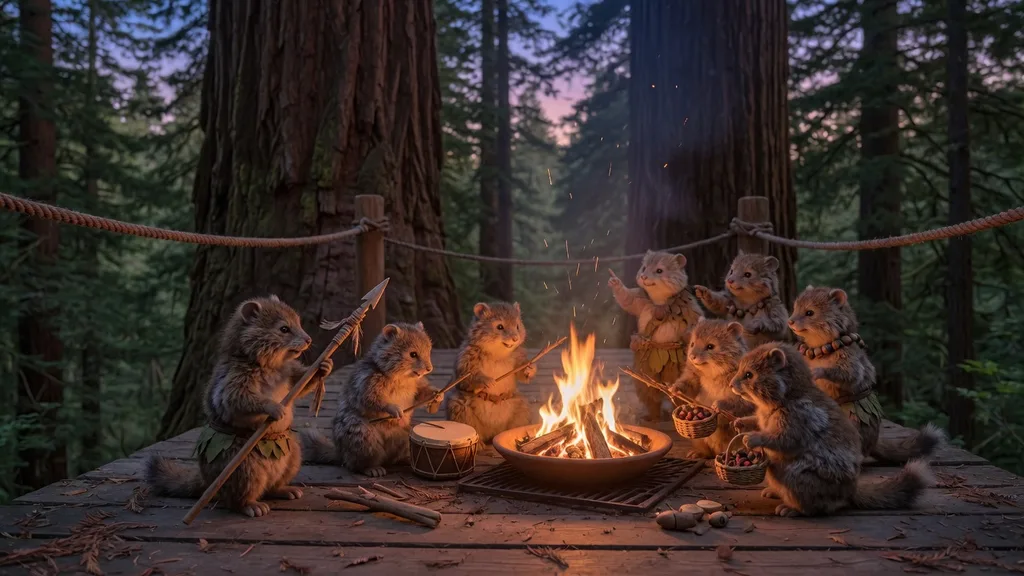
Ewoks are small, fur-covered bipedal creatures native to the forest moon that orbits Endor. They build their villages high in the canopy of ancient redwood-like trees, using rope bridges, carved platforms, and wooden walkways to connect their homes above the forest floor. Their technology is organic and handcrafted — stone tools, bone, woven fibre, carved wood — but their tactical intelligence should not be underestimated.
Ewok society centres on the tribe. An elder council governs decisions; a chief leads; shamans interpret omens and commune with forest spirits. Warriors defend the village and hunt. Cubs learn through apprenticeship and play. Every role is necessary, and names within the tribe often reflect the role a member has grown into — or is expected to grow into.
The sound of Ewokese. The Ewok language, Ewokese, is built on short vocalizations, repeated sounds, and tonal shifts. Names drawn from that language carry those traits: easy to say, musical when strung together, and immediately recognizable as belonging to a specific culture. The bouncy, doubled-syllable pattern is not coincidental — it mirrors the chirping, trilling quality of Ewokese speech.
Ewoks in expanded storytelling. Beyond the original films, Ewoks have appeared in animated series, novels, and comics that explore life on the forest moon in more detail. Those stories reveal a richer culture — coming-of-age trials, spiritual ceremonies, rivalries between neighbouring tribes, and a deep relationship with the natural world. Any of those threads gives a writer or RPG player a strong foundation for a forest-moon story.
The forest moon is one of the warmest corners of that galaxy far, far away. Small, brave, and stubbornly communal — Ewoks make compelling protagonists, loyal allies, and surprisingly layered characters. A good name is where that character starts.
For more Star Wars name options, see the Star Wars name generator — it covers human and alien species across all major factions.
FAQ for Ewok Name Generator
What makes Ewok names sound authentic?
Ewok names lean on soft consonants, short bouncy syllables, and vowel sounds like 'oo', 'ee', and 'ah'. They double up syllables — Paploo, Teebo — and rarely use hard stops. Keep names two to three syllables, favour 'w', 'l', 'n', 'p', and 't', and avoid anything that sounds sharp or mechanical.
Can I use these names in my Star Wars fan fiction or RPG?
Yes. Every name this generator produces is an original combination — none are canon characters. They follow the sound and feel of forest-moon naming without copying any existing Star Wars intellectual property. They suit fan fiction, tabletop campaigns, and original characters.
Where can I use the Ewok Name Generator?
It suits Star Wars fan fiction, original characters for the extended universe, and tabletop RPG campaigns set on Endor or a similar forest moon. Every name is an original combination, not a canon character, so it's safe to use without clashing with anything Lucasfilm has published.
Do Ewoks have surnames or clan names?
Within the Star Wars setting Ewoks are typically known by a single given name within their tribe. Tribal identity is tied to the village, not a surname. If your story needs a clan marker, a role-title like 'Stone-Heart' or 'Star-Caller' works well as a descriptive tribal epithet.
What is the difference between Warrior, Shaman, Chief, and Cub roles?
These are tribal archetypes that shape the name's feel. Warriors carry sharper, punchier sounds; Shamans get dreamy, syllable-heavy names; Chiefs sound measured and weighty; Cubs get the softest, most playful combinations. Pick the role that fits your character's place in the tribe.
Where do Ewok names come from?
They come from Ewokese, the chirping, trilling language Ewoks speak in Return of the Jedi and its expanded stories — short vocalizations, doubled syllables, and tonal shifts that never quite resolve into hard consonants. This generator mirrors that pattern rather than inventing a new one, which is why the results sound like they belong on the forest moon instead of a random fantasy generator.
How do I pick a name for a female versus a male Ewok?
Female Ewok names in this generator lean toward rounder, higher-pitched endings — sounds like '-lia', '-mee', or '-nia'. Male names tend to end with slightly more percussive syllables — '-roo', '-tok', '-pak'. The difference is subtle, exactly as it is in the source material.
What is the Name + Role-Title form?
Selecting 'Name + role-title' appends a descriptive tribal epithet to the base name — for example 'Wolapi Star-Caller' or 'Tumee Stone-Heart'. These compound forms suit characters who have earned a reputation within the village and work well for RPG character sheets or fiction.